

T Coronae Borealis Could Brighten Dramatically When Its Next Nova Erupts
Astronomers expect the recurrent nova in T CrB, a white-dwarf and red-giant binary, to erupt again, but its timing remains uncertain.
Follow this storyOnly in this browser
T Coronae Borealis, or T CrB, pairs a white dwarf with a red giant and has produced nova eruptions about every 80 years. Bradley Schaefer expects another eruption, while saying astronomers cannot predict its precise timing.
Key details
- The system’s latest recorded eruption occurred in 1946.
- Elizabeth Hays said an eruption within the next few years was likely and that she would be surprised if one had not occurred by 2030.
- The white dwarf gathers material from its red-giant companion. Uncertainty about the accumulation rate and the amount needed to trigger an eruption limits predictions.
- After the eruption begins, T CrB could reach peak brightness in less than a day.
- In dark locations, the nova could remain visible to the naked eye for a few days and become too faint for binoculars in about a week.
- Radio, X-ray and gamma-ray emissions linked to the eruption could continue for months or years.
During a nova, T CrB could brighten from about magnitude +10 to about magnitude +1.7.
Why it matters
A peak near magnitude +1.7 would make T CrB a naked-eye object for observers in dark locations. The brief visible-light window contrasts with the longer-lasting emissions across radio, X-ray and gamma-ray wavelengths.
More stories
Space
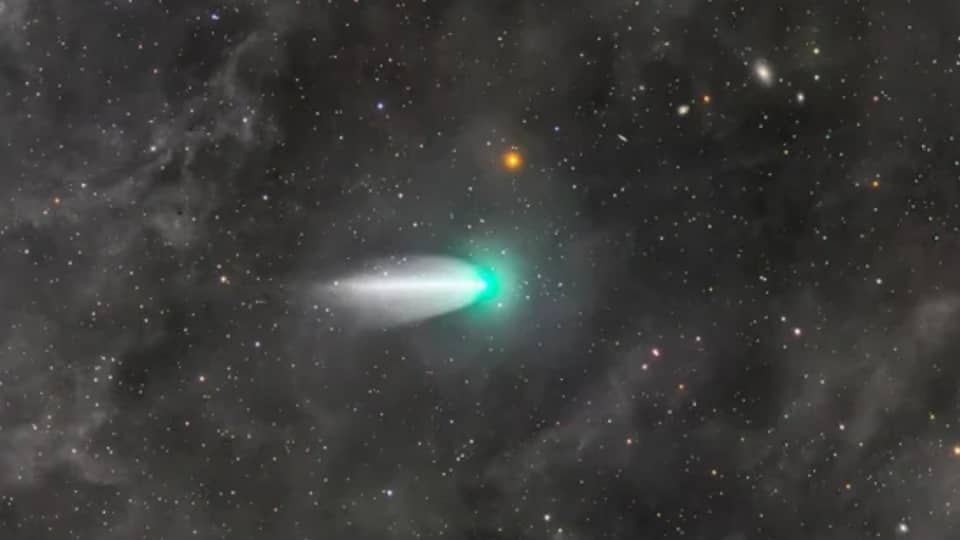
Comet 220P/McNaught Brightened in Two 2026 Outbursts
Space
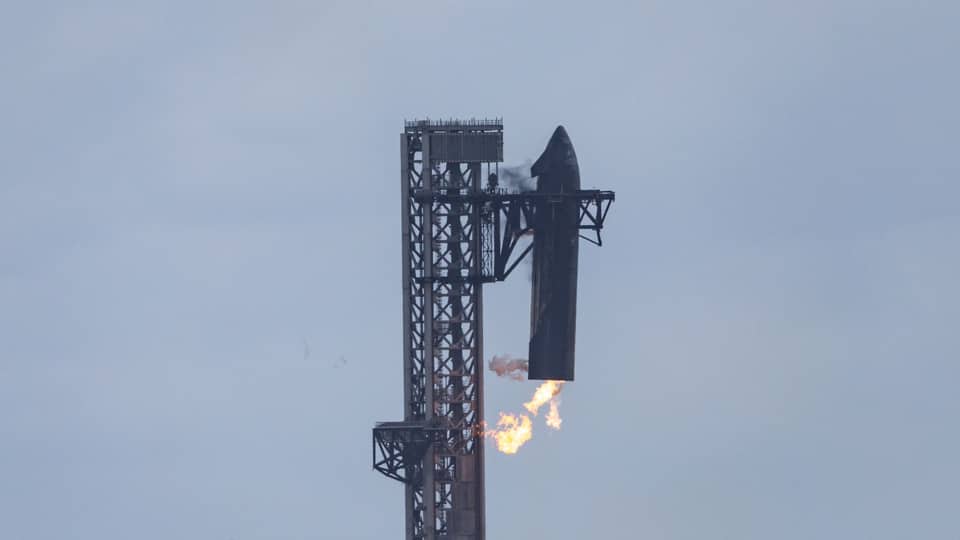
SpaceX Starship Ship Completes First Tower Catch on Flight 15
Space
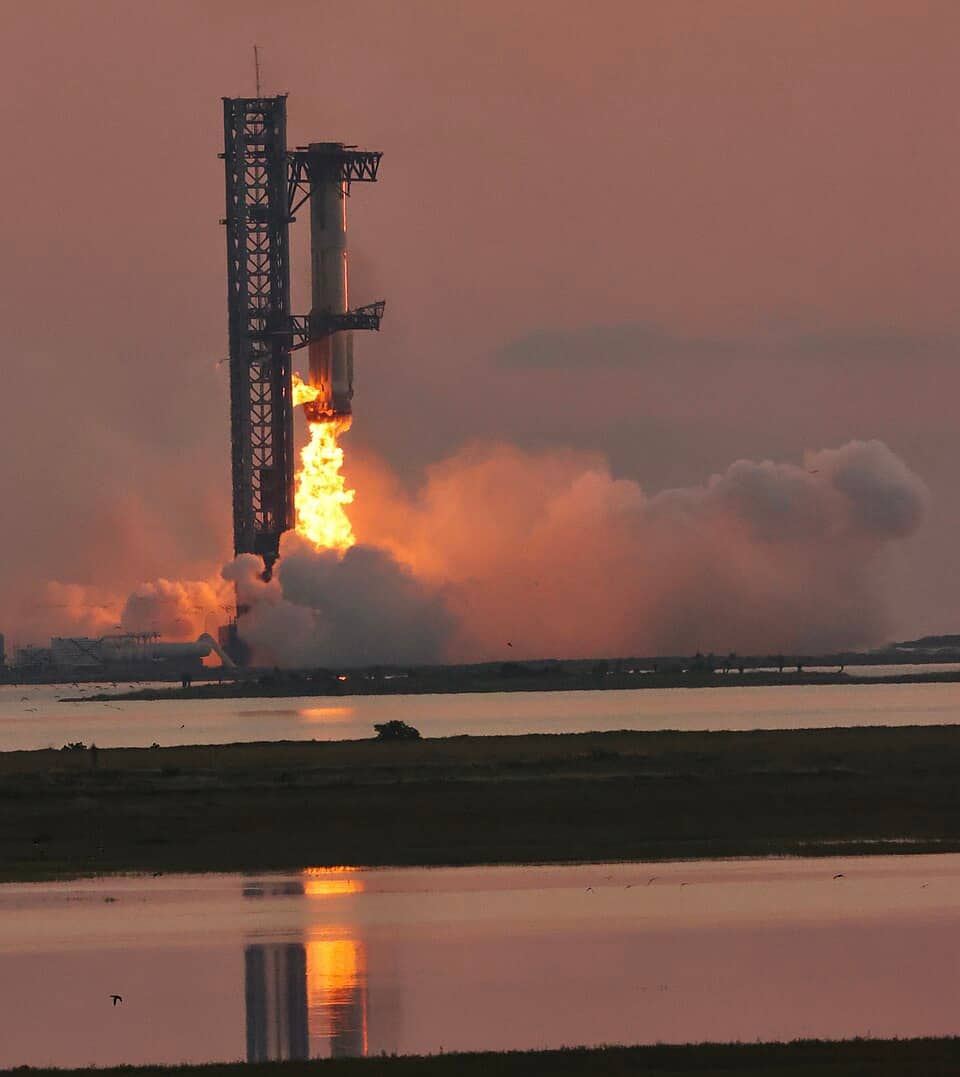
SpaceX Catches Starship Upper Stage at Starbase for the First Time
Space
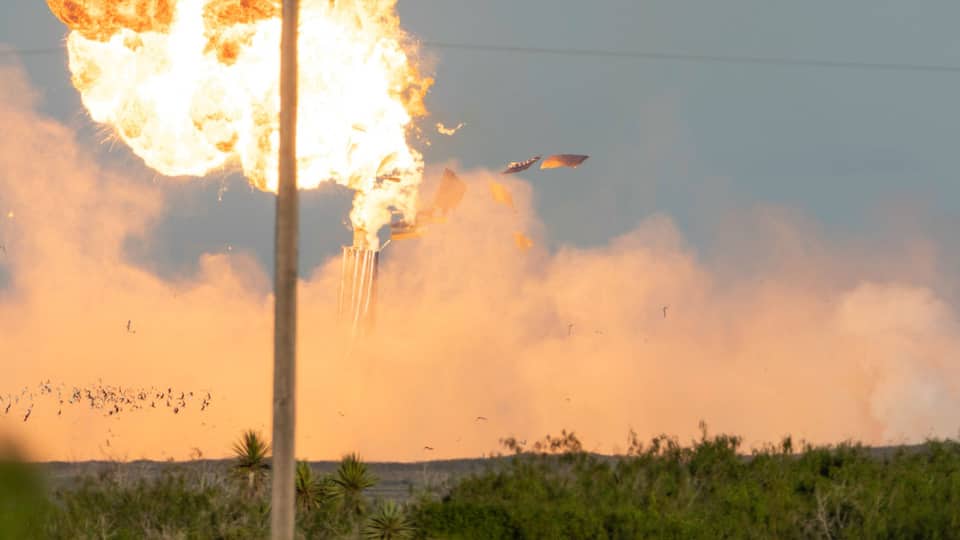
Starship Flight 15 Carries 26 Starlink V3 Satellites to Orbit

Space
Apollo 12 Launched for Its Lunar Landing Mission on November 14, 1969

Space