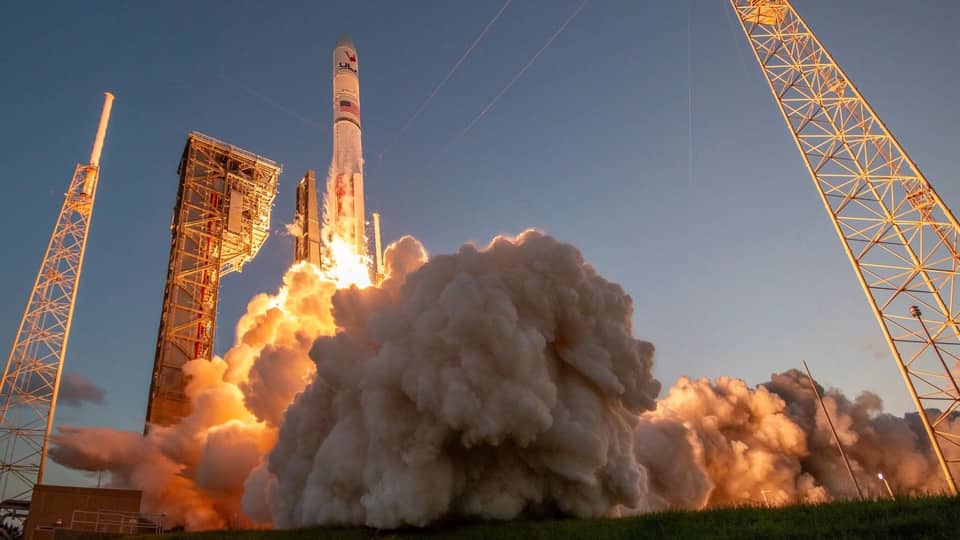
SpaceX Starship Flight 15 lifts off as Super Heavy diverts to a Gulf splashdown
The rocket left Starbase at 2:47 p.m. Pacific with Super Heavy Booster 22 and Ship 42. SpaceX said the booster diverted to an offshore splashdown in the Gulf. The flight still aims to deploy 26 Starlink V3 satellites and, if Ship 42 stays healthy, catch the ship at the tower on Saturday.
SpaceX launched Starship Flight 15 from Starbase, Texas, at 2:47 p.m. Pacific on Friday, opening the company's first attempt to catch both stages of an orbital launch system with the tower chopsticks.
SpaceX confirmed liftoff and, minutes later, hot-staging, as Starship's Raptor engines ignited and Super Heavy Booster 22 began boosting back toward Starbase for a catch. The company then said Super Heavy had diverted to an offshore splashdown in the Gulf.
The stack flew from Pad 2 with Booster 22, the first V3 Super Heavy to attempt a tower catch, and Ship 42. If the ship's systems stay healthy, SpaceX still plans to catch Ship 42 at Starbase on Saturday afternoon.
Key details
The booster catch had been planned for about six and a half minutes after liftoff. SpaceX said Super Heavy diverted to an offshore splashdown in the Gulf.
Ship 42 is scheduled to fly about 14 orbits at an altitude of about 275 kilometers, a mission lasting more than 22 hours, with a tower catch planned about 22 and a half hours after liftoff.
Deployment of 26 Starlink V3 satellites is set to begin about 35 minutes after liftoff. Three of those satellites carry cameras to inspect the ship's heat shield before controllers decide whether to bring it back to the tower.
The Federal Aviation Administration cleared the flight on Friday afternoon, the day of launch. If Ship 42 is not healthy enough for a return to Starbase, SpaceX plans to send it to a pre-planned ocean splashdown.
If successful, this will mark the first full recovery of an orbital launch system.
That description is from SpaceX's Flight 15 plan, which still depends on catching Ship 42 after the booster diversion.
Why it matters
SpaceX has caught Super Heavy boosters on earlier test flights, including three V1 boosters, two of which later flew again. Flight 15 is the first time the company has tried to return both the booster and the ship to the launch site on a single mission. The booster diversion means a full recovery now rests on the ship catch planned for Saturday.
More stories
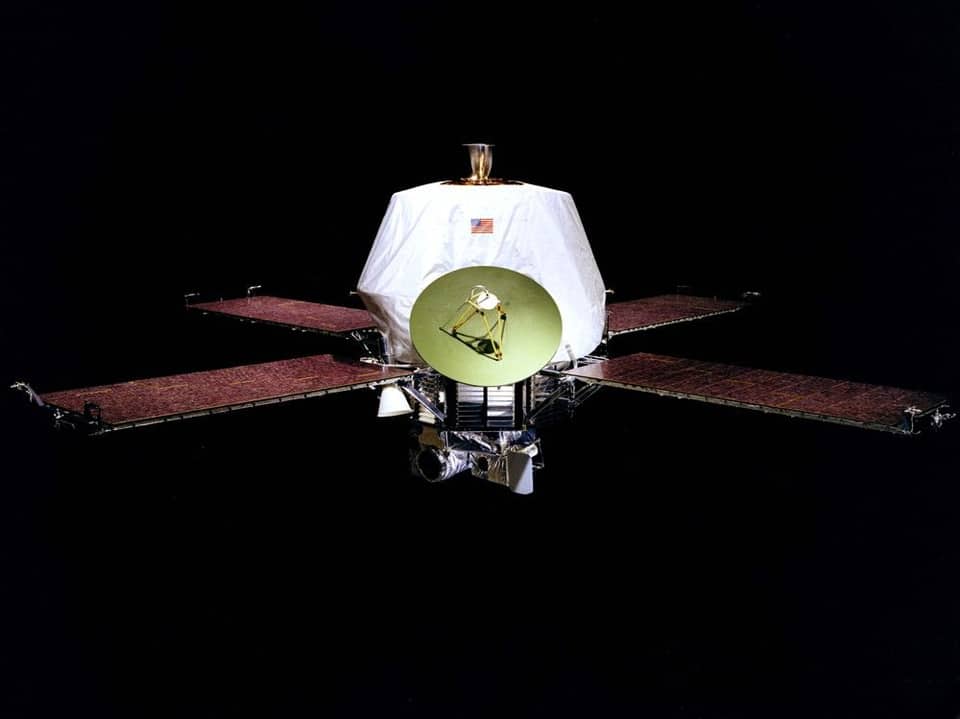
Mariner 9 Became the First Spacecraft to Orbit Mars on November 13, 1971

2026 Leonid Meteor Shower Forecast for November 17 Peak
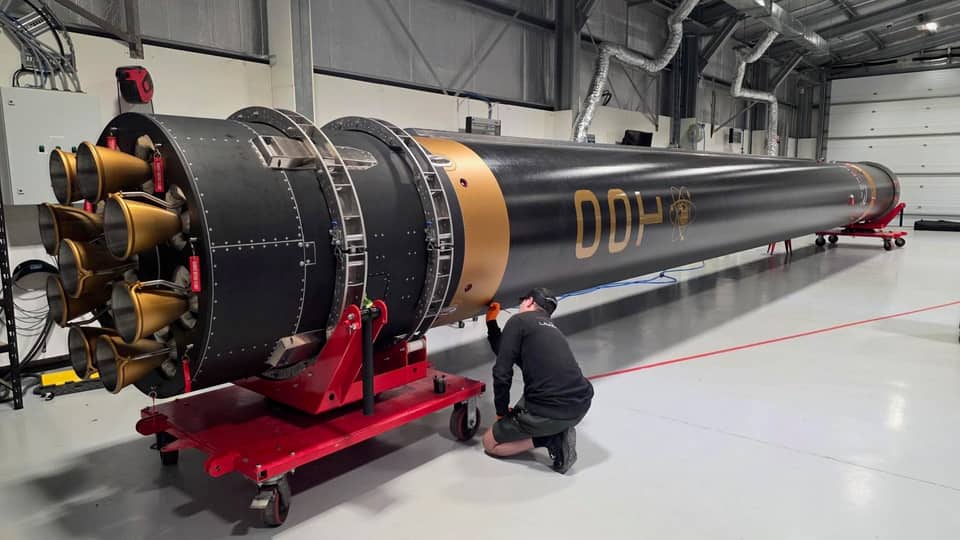
Rocket Lab Plans Electron's 100th Mission for November 14
California Science Center Opens Samuel Oschin Air & Space Center
Pleiades Offer a Mid-November Stargazing Target