U.S. Space Force Forecasts NASA Swift Observatory Re-entry Around November 6
Science operations ended October 20 at about 275 kilometers. NASA said most of the 1.5-ton spacecraft will burn up. Mission chief scientist Brad Cenko said dense tungsten and some mirror parts could survive, most likely over the ocean.
FlyMarshall Newsroom1 min read
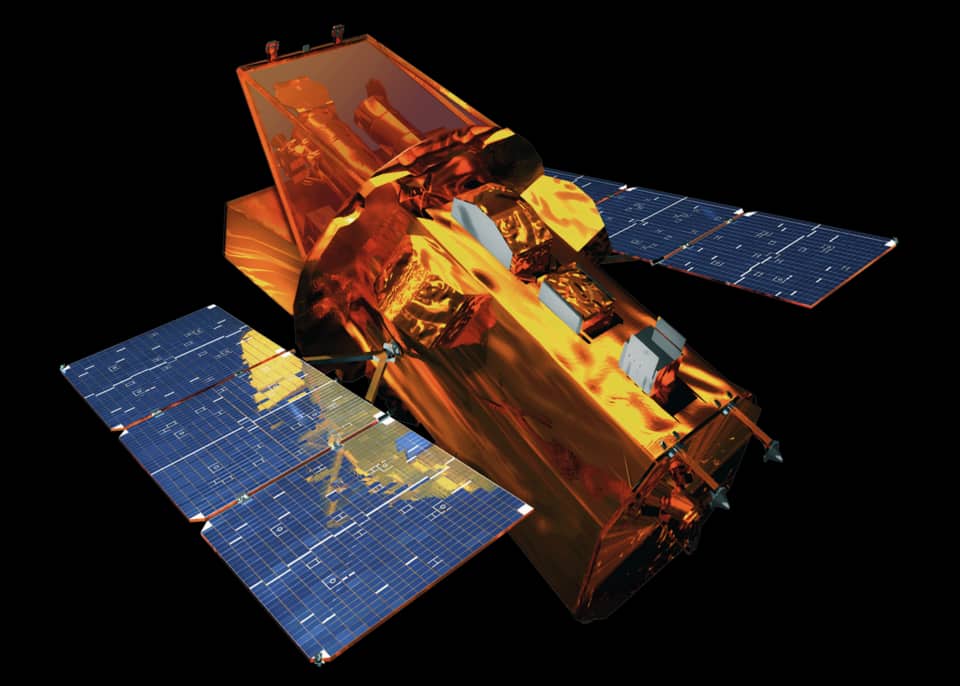
Photo: NASA / Sonoma State University / Aurore Simonnet
The U.S. Space Force said NASA's Neil Gehrels Swift Observatory is on course to re-enter on or around Friday, November 6, 2026. The forecast follows Katalyst Space's Link spacecraft, which did not capture and boost the observatory.
NASA said science operations ended October 20 once Swift was below 171 miles, or 275 kilometers. The mission launched November 20, 2004.
Key details
- Mass NASA and the Space Force cited: 1.5 tons. Most of the spacecraft is expected to burn up.
- Mission chief scientist Brad Cenko said tungsten pieces and some mirror parts could survive, most likely over the ocean. Africa, Australia, India, Southeast Asia, and Central and South America also sit in the re-entry zone.
- Astrophysics Division director Shawn Domagal-Goldman said Swift outlasted its two-year design life by more than a factor of ten.
Swift was designed for a two-year primary mission but stayed productive for more than ten times as long.
Why it matters
A Space Force Friday window now sits on the same sheet as the end of Swift science after Link did not raise the observatory.
What happens next
Space Force is tracking the path. When does NASA post a confirmed re-entry time for Swift?
More stories

Satellite and Ground Sensors Track Fireballs Over Three Continents

November 2026 Skywatching: Venus, Mercury and Planet Pairings

Nine Fictional Spacecraft That Make Unsettling Journeys
SpaceX Reportedly Limits Falcon 9 Commercial Bookings Beyond 2028
Rocket Lab Targets November 3 for Electron's 99th Mission