

1966 Leonid Meteor Storm Reached About 40 Meteors Per Second
Observers at Kitt Peak National Observatory in Arizona estimated that the Leonids peaked at about 40 meteors per second overnight on November 17–18, 1966.
Follow this storyOnly in this browser
The Leonid meteor storm reached its peak overnight from November 17 to 18, 1966, with observers at Kitt Peak National Observatory in Arizona estimating a rate of about 40 meteors per second.
Key details
- Earth encounters the Leonids as it passes through debris from comet 55P/Tempel-Tuttle, which orbits the Sun about once every 33 years.
- Leonid particles enter Earth’s atmosphere at about 44 miles (71 kilometers) per second.
- In most years, the shower produces roughly 10 to 15 meteors per hour under ideal viewing conditions.
- Recorded strong Leonid storms include 1833, 1866, 1999, 2001, and 2002; the later three produced thousands of meteors per hour at their peaks.
- A study released in August 2026 forecast peak rates above 1,000 meteors per hour in 2033 and 2034, while noting uncertainty in the forecast.
- Comet 55P/Tempel-Tuttle is expected to return in 2031.
Observers at Kitt Peak estimated about 40 Leonid meteors per second at the storm’s peak.
Why it matters
The Leonids’ typical hourly rate and the 1966 peak illustrate how much the shower’s intensity can vary. The comet’s roughly 33-year orbit provides a recurring link between the debris stream and periods of stronger displays.
More stories

Space
ISS Research Tests 3D Printing of Human Cells in Microgravity

Space
Space Cargo Unlimited Unveils REV1 Reentry Vehicle in Bremen

Space
Asynchronics Announces $3.1 Million Seed Round
Space
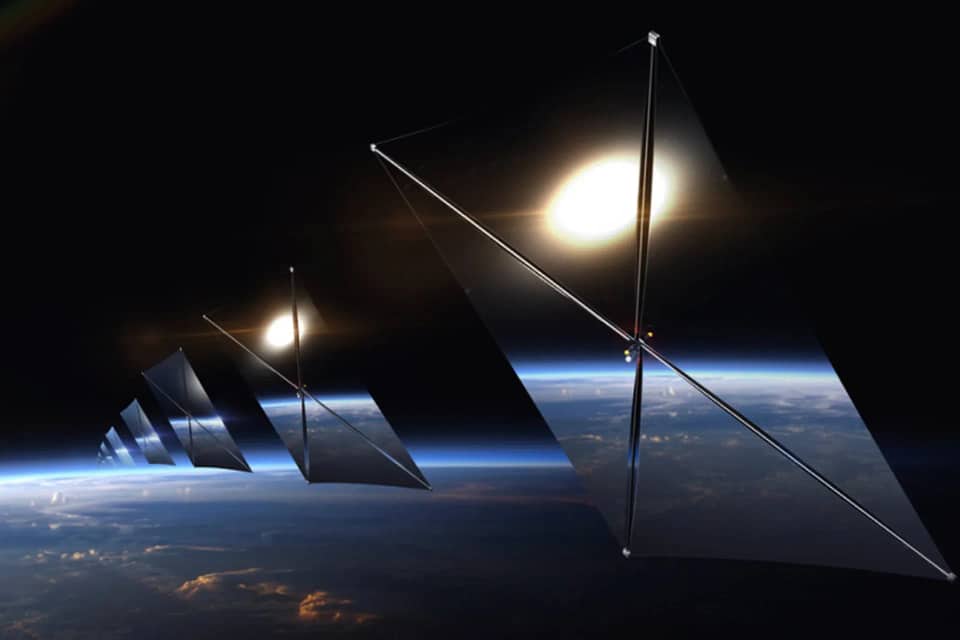
Reflect Orbital Plans 2027 Test of Sunlight-Reflecting Satellite
Space
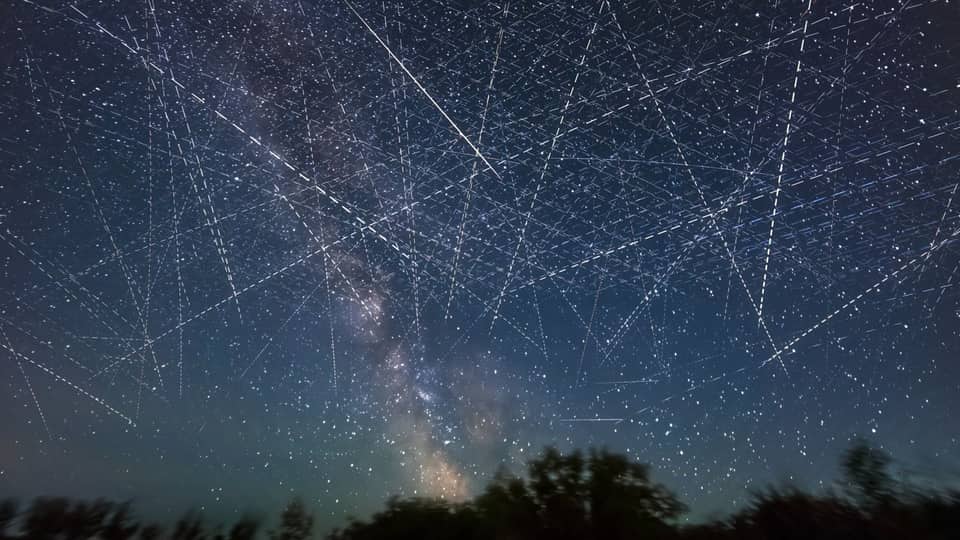
Analysis Estimates 710 Satellites Overhead at Night Above an Average UK Town
Commercial