

ISS Research Tests 3D Printing of Human Cells in Microgravity
NASA astronaut Jessica Watkins worked with the InSPA-Auxilium Bioprinter-Cell Printing experiment aboard the International Space Station.
Follow this storyOnly in this browser
Watkins handled the experiment in the station’s Life Sciences Glovebox, combining living cells with bioink and loading the mixture into a specialized cartridge.
Key details
- The experiment investigates 3D printing cells and producing human liver, kidney and cartilage tissue in microgravity.
- One research aim is to explore printing human cartilage, with possible future relevance to patients in space and on Earth.
- Watkins is identified as commander of Crew-13. Crewmate Anil Menon took the photograph of her working.
The experiment explores printing human liver, kidney and cartilage tissue in the International Space Station’s microgravity environment.
Why it matters
The International Space Station provides a microgravity setting for researchers to study cell printing. The work examines how that environment could support the production of human tissues, including cartilage.
More stories
Space
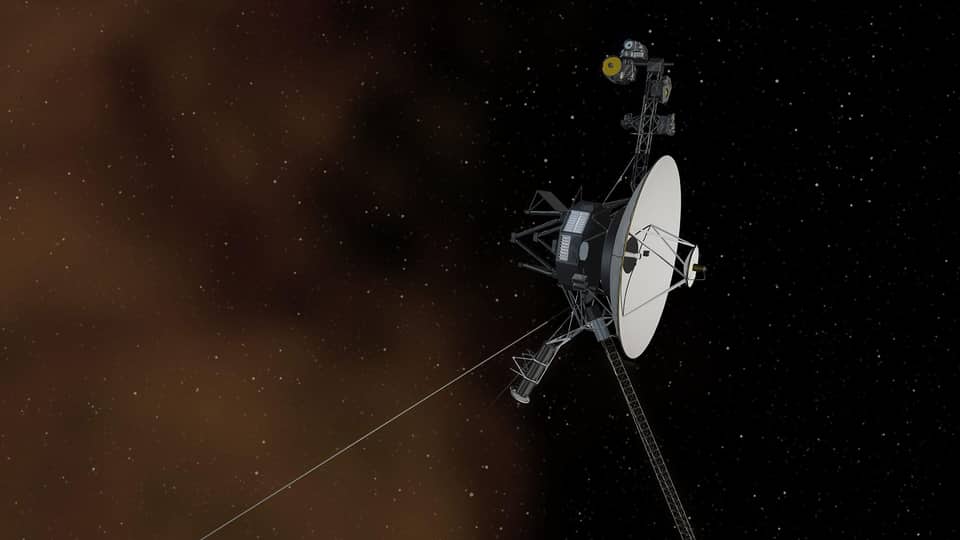
NASA Invites Public to Mark Voyager 1's One-Light-Day Milestone

Space
1966 Leonid Meteor Storm Reached About 40 Meteors Per Second
Space
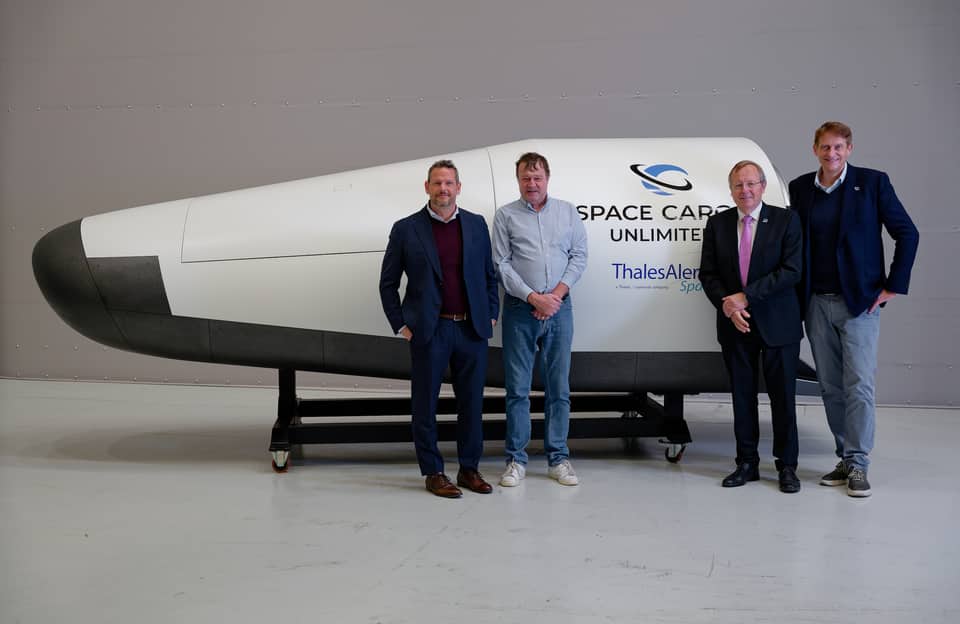
Space Cargo Unlimited Unveils REV1 Reentry Vehicle in Bremen

Space
Asynchronics Announces $3.1 Million Seed Round

Space
Reflect Orbital Plans 2027 Test of Sunlight-Reflecting Satellite

Space