SkyGrid and MIT Lincoln Laboratory Extend Low-Altitude Weather Research
The partners will develop high-resolution forecasts for advanced air mobility, with the next research phase scheduled through July 2027.
SkyGrid and MIT Lincoln Laboratory extended their research partnership to develop high-resolution weather forecasts for low-altitude advanced air mobility operations. The collaboration began in October 2025 and operates under a Cooperative Research and Development Agreement.
Key details
- The next phase is scheduled to continue through July 2027.
- The first year used SkyGrid’s advanced air mobility simulation environment to study forecast effects on flight planning and operational efficiency.
- The first phase produced an initial framework for AAM-specific weather requirements, presented at the AIAA AVIATION 2026 Forum.
- The second phase will work to improve forecast accuracy and evaluate model performance against real-world observations.
- Planned inputs include surface weather stations, aircraft reports, radiosondes, NEXRAD radar, lidar, and high-resolution terrain data.
- The forecasts will address turbulence, three-dimensional visibility, icing, and precipitation. The team also plans to use ensemble modeling and four-dimensional error models to represent forecast uncertainty.
- SkyGrid plans to expand its simulation environment with aerodrome networks, ground operations, and representative traffic schedules.
- The partners plan to compare their forecasts with NOAA’s High-Resolution Rapid Refresh model across multiple regions and seasons.
SkyGrid and MIT Lincoln Laboratory plan to compare their forecasts with NOAA’s HRRR model across multiple regions and seasons.
Why it matters
The research covers weather information for autonomous cargo flights and passenger-carrying electric vertical takeoff and landing aircraft. Its planned comparison with NOAA’s HRRR model will assess forecast performance across different regions and seasons.
More stories

Embraer and DLR Complete E195-E2 Contrail Fuel Tests
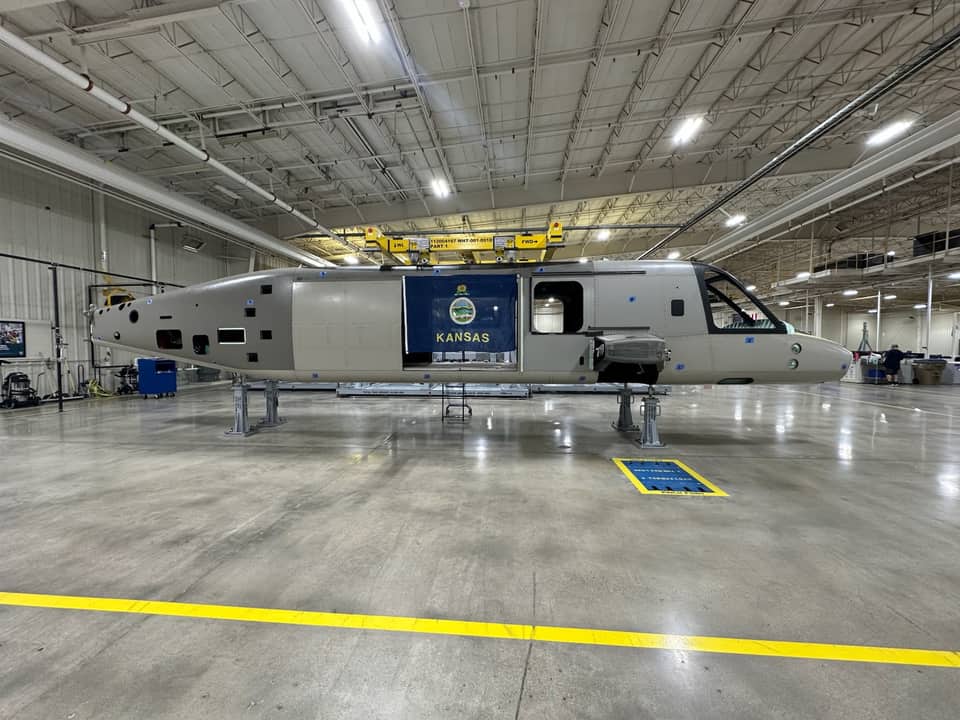
Bell Completes First MV-75 Cheyenne II Fuselage Section

UK Drone Activity Includes Cranfield Testing and Darlington Delivery Expansion

Vertical Aerospace Receives AS9100 Certification for Design and Production
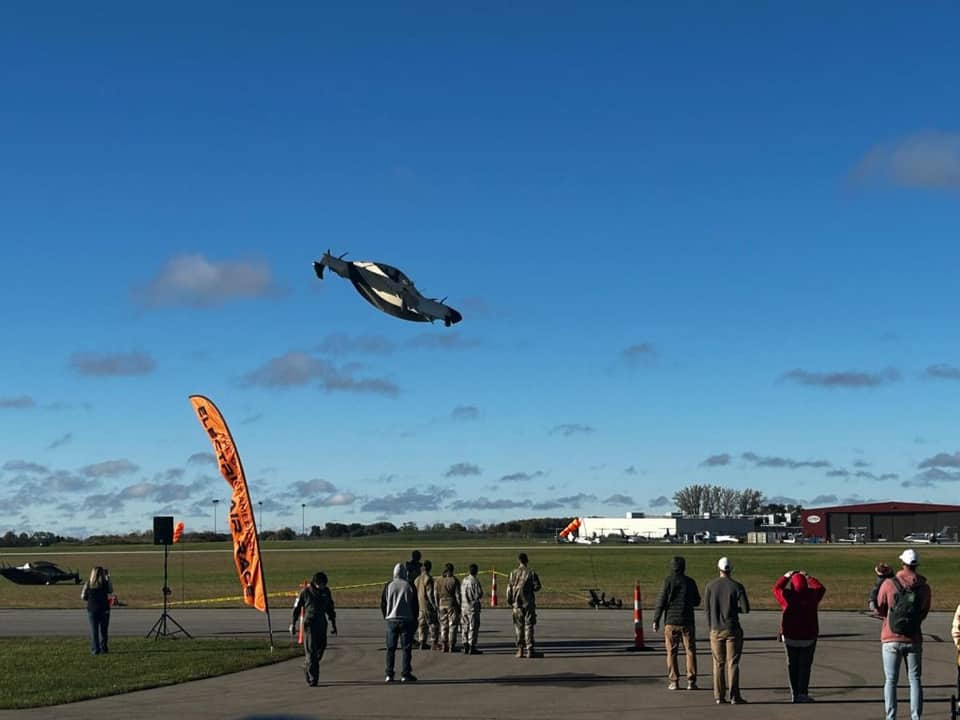
Electra Plans Springfield EL9 Production Facility With Capacity Target of 800 Aircraft