Rocket Lab's 101st Electron Launch Puts Synspective's 14th StriX Radar Satellite in Orbit
The Night Owls Never Sleep mission lifted off from Launch Complex 1 in New Zealand at 1:15 p.m. NZDT on Nov. 27 and delivered the satellite to a 569-kilometer orbit.
Rocket Lab launched its 101st Electron mission from Launch Complex 1 on New Zealand's Māhia Peninsula at 1:15 p.m. NZDT on Friday, Nov. 27, placing Synspective's 14th StriX synthetic aperture radar satellite into a 569-kilometer low Earth orbit. The company named the flight Night Owls Never Sleep.
The launch was Electron's 22nd of 2026 and its 14th for Tokyo-based Synspective, which uses the StriX constellation to collect radar images of Earth's surface in darkness and through weather. Synspective said the satellite reached its target orbit and deployed its radar panels, and that testing and commissioning will follow over the coming months before the spacecraft enters service. Rocket Lab said the orbit had an inclination of 38 degrees.
Rocket Lab said it has been the sole launch provider for all 14 StriX satellites to date and has a 100 percent mission success rate for the operator. After a 20-launch agreement signed in September, which the company called its largest commercial Electron contract, Synspective has 47 Electron missions booked in total. Friday's flight leaves 33 dedicated missions on the manifest through 2031, Rocket Lab said.
Synspective said the added satellite strengthens its ability to provide persistent Earth-observation data. The company's radar satellites are used for work such as urban planning, infrastructure monitoring and disaster response.
Key details
- Vehicle: Electron, Rocket Lab's 101st mission and 22nd launch of 2026.
- Payload: Synspective's 14th StriX synthetic aperture radar satellite, on a dedicated flight.
- Launch: 1:15 p.m. NZDT, Nov. 27, 2026, from Launch Complex 1, Māhia, New Zealand.
- Orbit: 569-kilometer low Earth orbit, inclination 38 degrees.
More stories
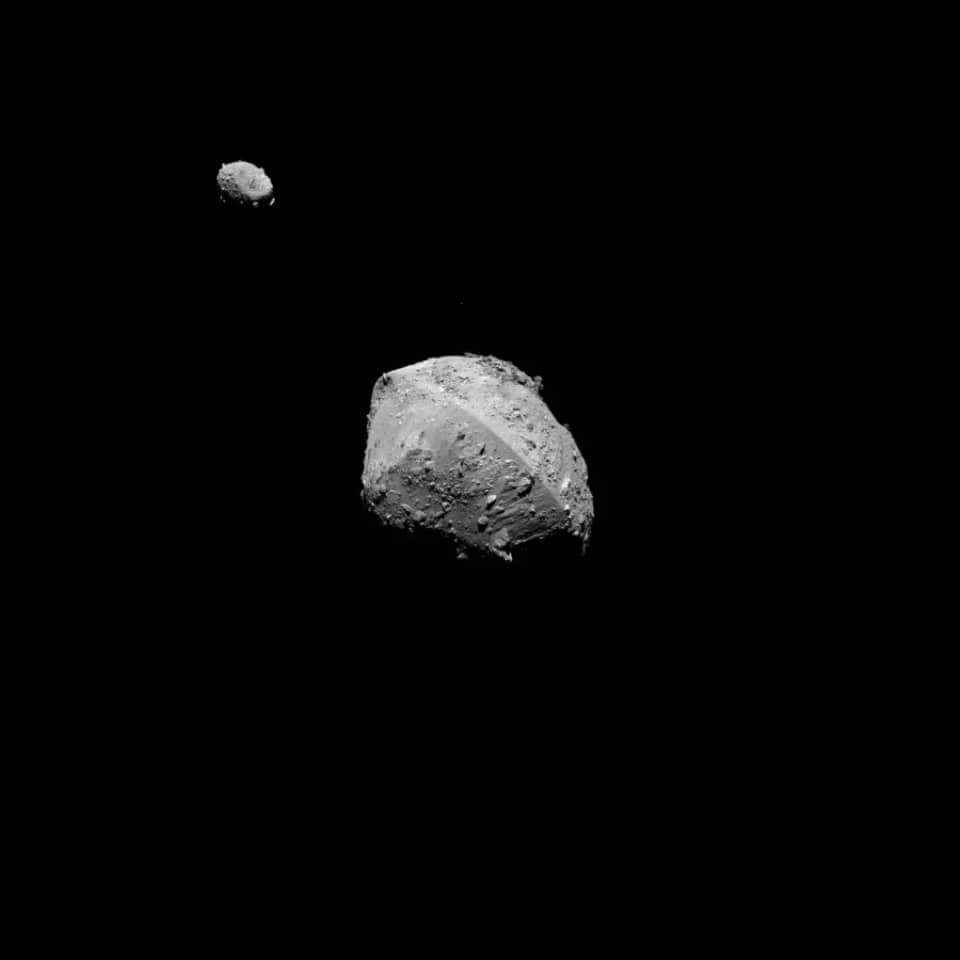
ESA's Hera Spacecraft Finds a Stadium-Sized Crater Stretching Across Asteroid Dimorphos
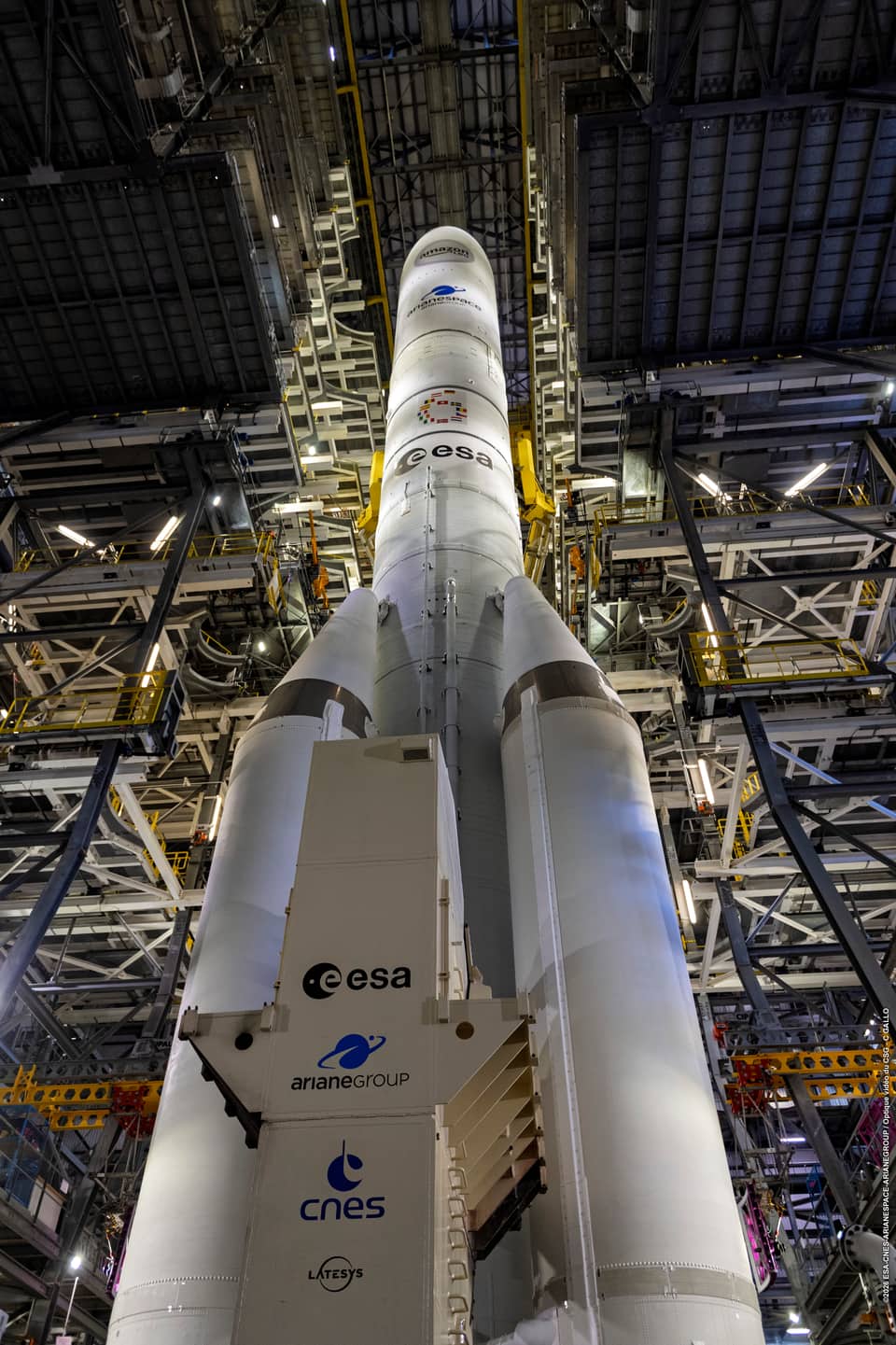
Ariane 6's 10th Flight Places 36 Amazon Leo Satellites in Low Earth Orbit

Shenzhou-24 Docks at Tiangong With Pakistan's Muhammad Zeeshan Ali, the Station's First International Astronaut
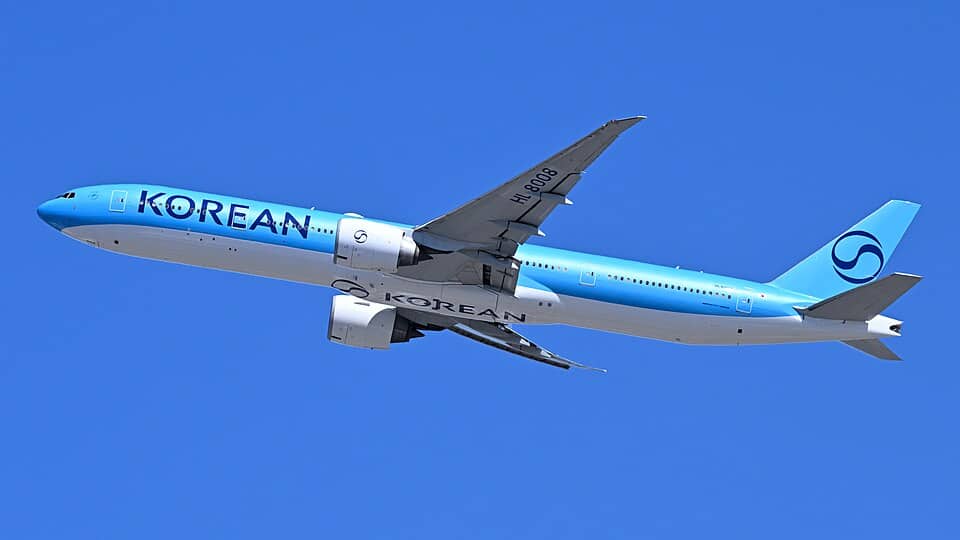
Korean Air Uses Smartphones to Screen Pilots and Cabin Crew for Sleep Apnea
Norse Atlantic's Norwegian Airline Files Bankruptcy Petition as All Flights Are Cancelled