
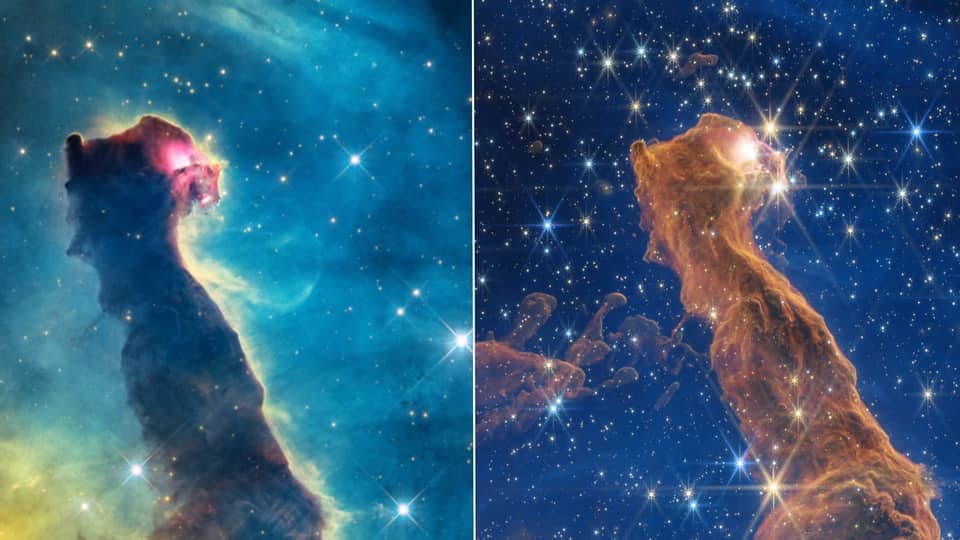
Hubble and Webb Show Three Views of the Cat's Eye Nebula
Images from Hubble and the James Webb Space Telescope show the Cat's Head feature in visible and infrared light inside the Carina Nebula.
FlyMarshall Newsroom1 min read
Photo: NASA, ESA, CSA, STScI; Image Processing: Joseph DePasquale (STScI)
Three telescope views show the Cat’s Head feature in the Carina Nebula: Hubble captured it in visible light, while the James Webb Space Telescope observed it in mid-infrared and near-infrared wavelengths.
Key details
- The feature lies about 7,500 light-years from Earth.
- Hubble’s visible-light view captures emissions associated with oxygen, hydrogen, and sulfur, as well as light scattered by nebular dust.
- The region is described as a place where stars form, and its appearance is expected to change as stars form and evolve.
- A red feature that resembles an eye may be a young star embedded in dust; that interpretation is unconfirmed.
The Cat’s Head feature lies about 7,500 light-years from Earth within the Carina Nebula.
Why it matters
The three views let readers compare how visible and infrared observations reveal different aspects of the same star-forming region. Hubble’s image traces light from several elements and dust, while Webb’s two infrared views show the region at different infrared wavelengths.
What happens next
As stars form and evolve, the Cat’s Head region will change, giving astronomers a continuing subject to observe across visible and infrared wavelengths. Which view of this distant nebula stands out to you?
More stories
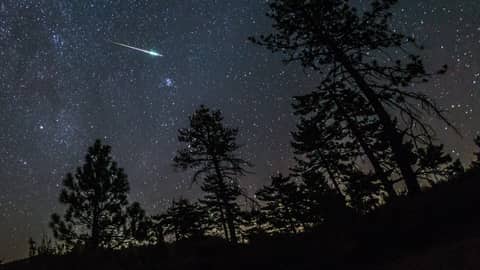
Northern and Southern Taurid Meteor Showers Set for November 2026 Peaks
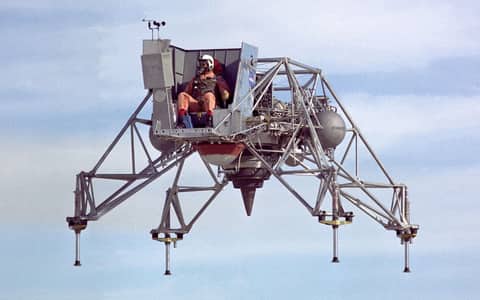
NASA's Lunar Landing Research Vehicle Flew for the First Time in 1964
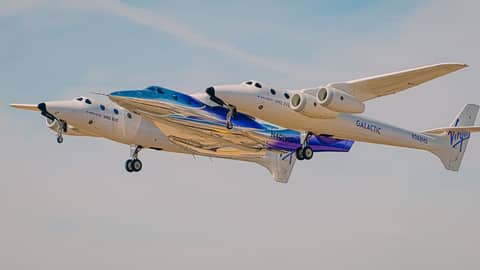
Virgin Galactic's First Delta-Class Space Plane, Apeiron, Reaches Spaceport America
China's Shenlong Spaceplane Enters Fourth Reported Orbital Mission

Gulfstream Targets 200 Annual Deliveries by 2030
