FAA Proposes Three Changes to Commercial Space Licensing Rules
The proposals cover flight termination systems, flight-abort risk calculations and debris from decaying orbital vehicles.
FlyMarshall Newsroom1 min read
Photo: AeroTime
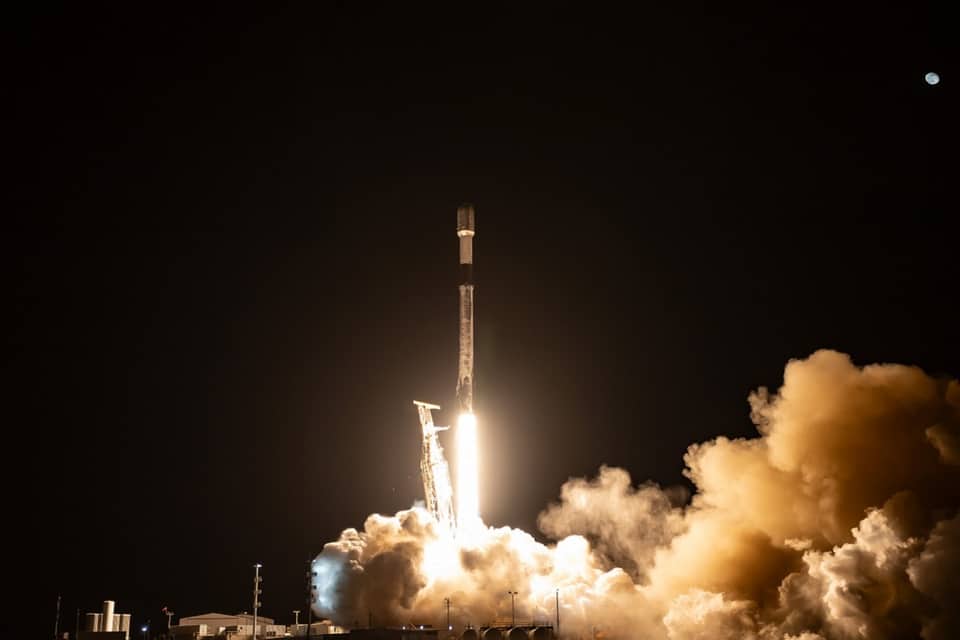
The Federal Aviation Administration proposed three changes to commercial space licensing rules on November 5, 2026, covering flight termination systems, flight-abort risk calculations and debris risk from orbital vehicles returning to Earth.
Key details
- One proposal would let operators switch off a rocket’s flight termination system earlier and reactivate it later if they demonstrate that the flight meets applicable safety conditions.
- Another would clarify how applicants weigh the risks of aborting a flight against continuing after its mission can no longer succeed.
- The debris proposal would let operators use existing analyses to show that a fragment from a decaying orbital vehicle is unlikely to cause multiple casualties.
- The FAA plans to begin a broader licensing-system overhaul in 2027 and is hiring aerospace engineers to review applications and assess mission risks.
- The Department of Transportation expects the FAA to oversee 10,000 commercial space operations annually by 2035, including launches and reentries.
The Department of Transportation expects the FAA to oversee 10,000 commercial space operations annually by 2035.
Why it matters
The reported projection of as many as 1,000 launches annually by 2030 points to a larger licensing workload for the FAA. The United States accounted for 217 of 329 commercial launches worldwide in 2025, according to the report.
More stories

Commercial
Boeing 777X Folding Wingtips Help Fit Airport Infrastructure
Commercial
U.S. Plans Commercial Space Launch Licensing Overhaul for 2027
Commercial
El Al Reports Record Third-Quarter Revenue
Commercial
Allegiant Favors Boeing 737 MAX 8 Economics as It Develops Premium Seating

Commercial
Air France-KLM Reports €1.35 Billion Third-Quarter Operating Profit

BreakingCommercial