Black Hole Merger Study Finds a Gap at 12–16 Solar Masses
Researchers analyzed about a decade of gravitational-wave observations covering 257 black-hole mergers and found a scarcity of black holes in the 12–16 solar-mass range.
Researchers examined gravitational-wave observations from the LIGO, Virgo, and KAGRA detector network, covering 257 black-hole mergers detected over approximately 10 years. Their analysis found relatively few black holes with masses between 12 and 16 times the mass of the Sun.
Key details
- Black holes near 10 solar masses formed a peak in the merger sample’s mass distribution.
- The study found a distinct range of spin rates among black holes near 10 solar masses.
- The researchers propose that some of these black holes may have formed when massive stars collapsed without a supernova explosion. They present this as a possible explanation, not an established conclusion.
- The researchers published the study in Physical Review D on November 10, 2026.
Black holes with masses of 12–16 times the Sun’s mass were relatively scarce in the merger sample.
Why it matters
The mass and spin patterns may point to a shared formation pathway for some black holes. Direct observational evidence for stars collapsing without a supernova remains lacking, and researchers say further work is needed.
More stories

Mantle Models Offer a New Explanation for Earth's Great Unconformity

NASA's SkyFall Plan Calls for Three Ingenuity-Class Mars Helicopters
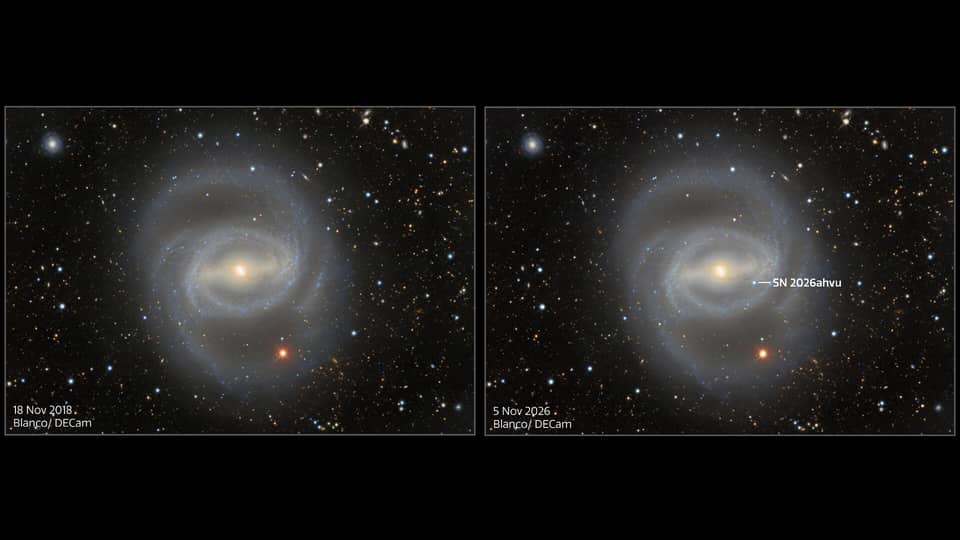
New Supernova Reported in Spiral Galaxy NGC 1433
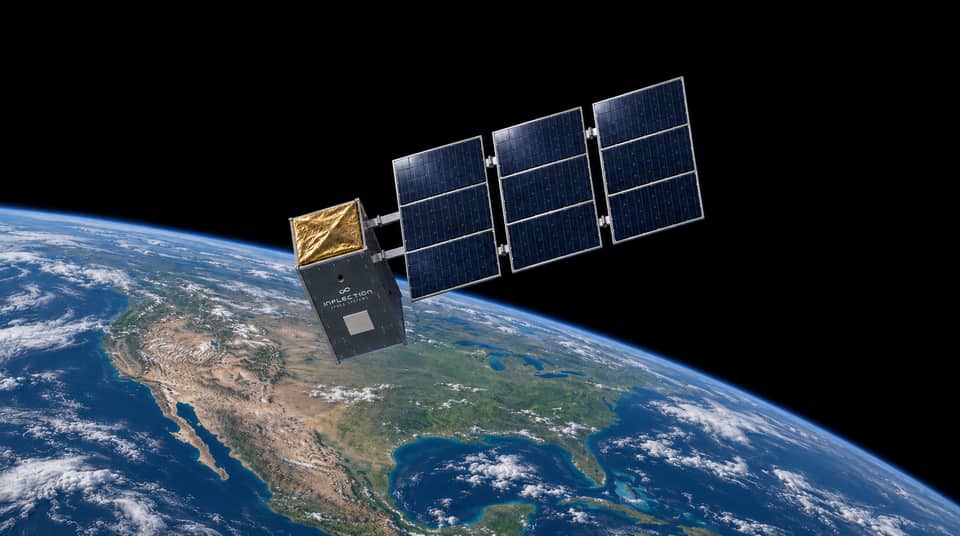
Inflection Space Systems Books First Launch for Pax

CUBECOM Plans Delft Office to Support European Business Growth