SEA STAR Underwater Mission Simulated Crewed Spaceflight in Florida
A five-day SEA STAR mission at Jules' Undersea Lab near Key Largo used underwater research and simulated spacewalks to recreate selected aspects of crewed spaceflight.
FlyMarshall Newsroom1 min read
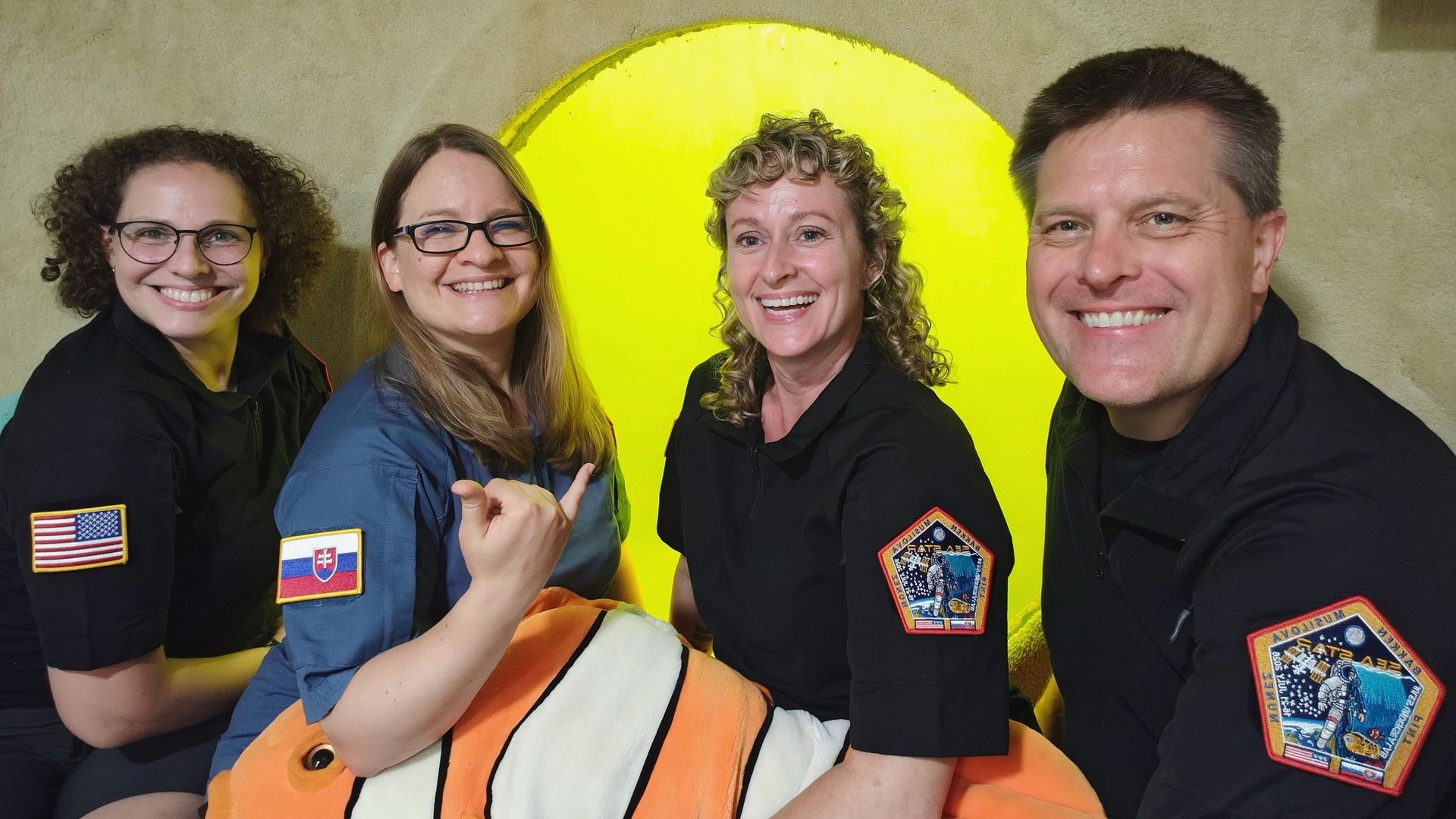
Photo: Dr. Michaela Musilova
Michaela Musilova led SEA STAR, a five-day simulated mission at Jules’ Undersea Lab near Key Largo, Florida. Participants lived in the underwater habitat and carried out simulated spacewalks and research activities designed to replicate selected aspects of astronaut work and life.
Key details
- The habitat sat about 22 feet (6.7 meters) underwater.
- Activities included neutral-buoyancy experiments, cognitive research, microgreens work and tests of environmental sensors.
- The team also studied human responses to elevated atmospheric pressure.
SEA STAR participants lived underwater for five days.
Why it matters
Underwater missions let researchers study how people work and live in an environment that provides neutral buoyancy, a condition relevant to spaceflight. SEA STAR also examined pressure-related human responses and tested equipment in the habitat.
What happens next
The SEA STAR work adds underwater research and simulated spacewalks to the range of approaches used to study crewed missions. Which part of this research would you most like to see explored further?
More stories
Cassini's 2004 Titan Flyby Captured Hundreds of Images
NASA Ends Neil Gehrels Swift Observatory Mission
Donnie Darko Marks 25 Years Since Its 2001 Release
Star Trek Costumes and Accessories Roundup Covers Three Series
GRB 220706A Shows X-Ray Flaring About 27 Days After Its Burst