Scientists Still Seek the Cause of Long-Delayed Radio Echoes
Radio researchers have proposed several natural mechanisms for echoes arriving seconds after transmission, but the physical cause remains unresolved.
FlyMarshall Newsroom1 min read
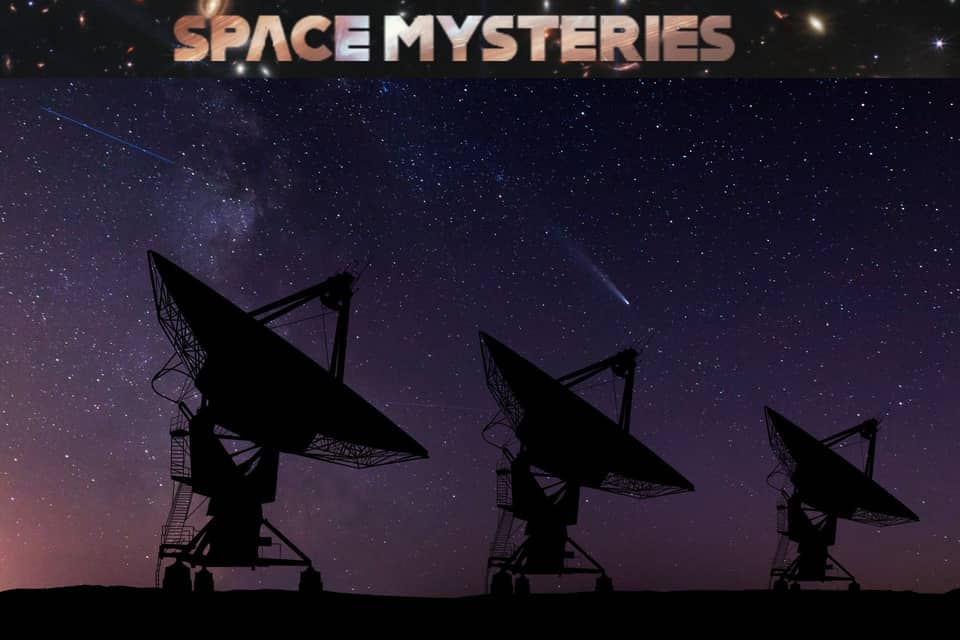
Photo: Anton Petrus/Getty Images
Jørgen Hals reported hearing shortwave radio echoes about three seconds after transmissions from Eindhoven in 1927. Researchers have proposed several explanations for long-delayed echoes, but none accounts for all reported cases.
Key details
- Long-delayed echoes are generally described as radio signals returning more than 2.7 seconds after transmission.
- One proposed mechanism would guide radio waves along Earth’s magnetic field lines, though predicted delays are generally hundreds of milliseconds.
- Other proposed natural mechanisms include radio energy coupling into slower plasma waves and effects from plasma clouds of solar origin.
Some reported long-delayed radio echoes arrived several seconds after transmission.
Why it matters
The gap between predicted delays from the proposed magnetic-field mechanism and some historical reports of echoes lasting several seconds leaves researchers with an open question about how radio energy travels through Earth’s space environment.
What happens next
Researchers continue to examine possible natural mechanisms for these echoes. Which explanation do you think will best account for the reported delays?
More stories
NASA's Perseverance Rover Logs 28.10 Miles on Mars
NASA's First Saturn Rocket, SA-1, Flew on October 27, 1961

Rocket Lab Ships Neutron Stage 2 Hardware to Wallops Island
Falcon 9 Launches 27 Starlink Satellites From Vandenberg

SEA STAR Underwater Mission Simulated Crewed Spaceflight in Florida