Late-October Skywatching: Taurid Meteors, Algol and the Pleiades
Late October brings several skywatching targets, including the Pleiades, the changing brightness of Algol and Taurid meteor activity.
FlyMarshall Newsroom1 min read
Photo: Photo by Lorenzo Di Cola/NurPhoto via Getty Images
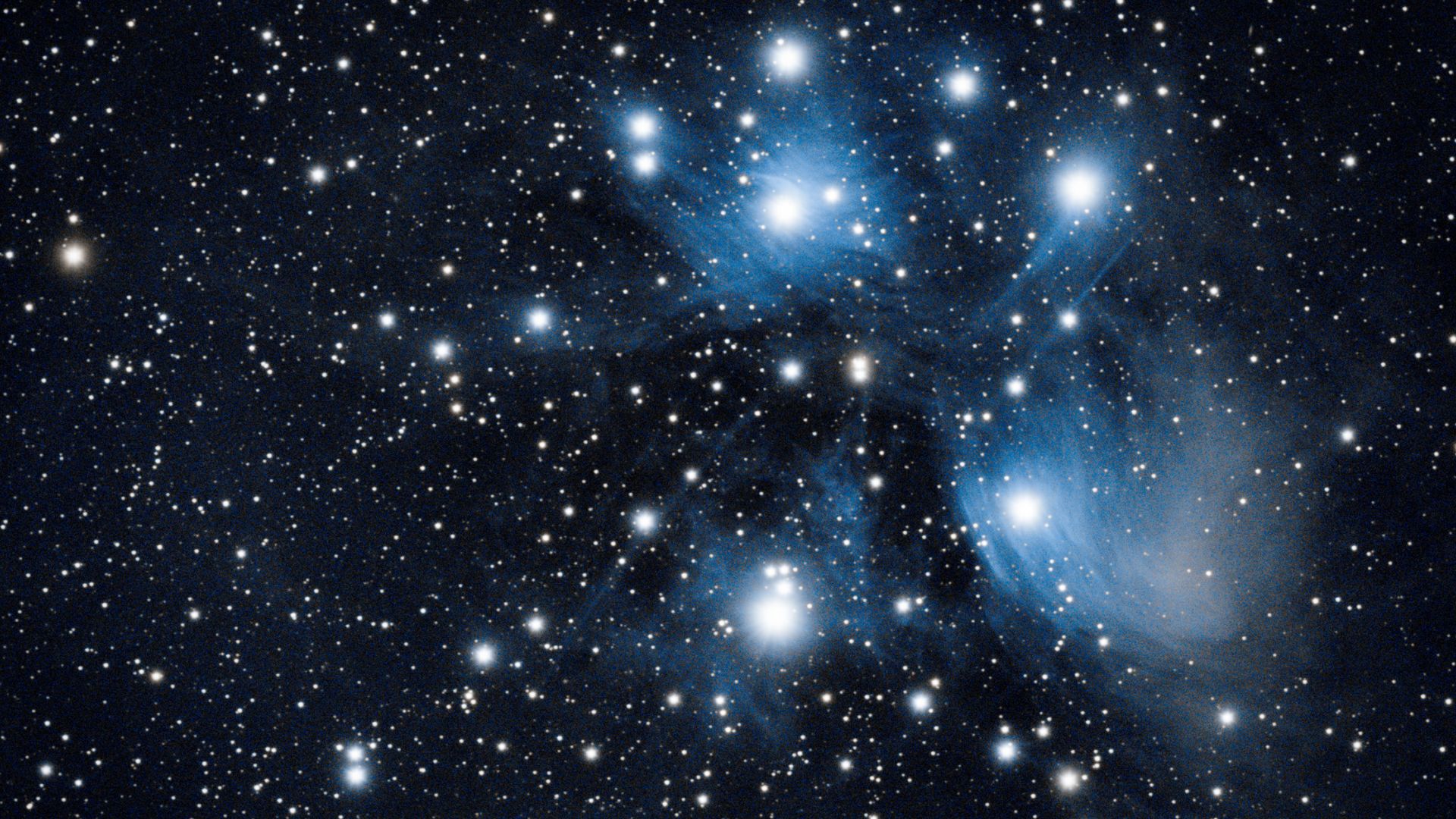
Late October offers skywatchers several targets, from the Pleiades star cluster in Taurus to Algol, an eclipsing binary whose apparent brightness changes as its stars pass in front of one another. The Northern and Southern Taurids are also active during this period.
Key details
- The Pleiades is an open star cluster in Taurus.
- Algol’s eclipse lasts about 10 hours, during which the system appears about 3.3 times dimmer.
- Cetus appears in the southeastern sky after sunset for U.S. observers in late October.
- The Taurids are associated with debris from Comet 2P/Encke and can produce bright fireballs.
- The Northern and Southern Taurids peak in early November.
Algol’s brightness changes on a roughly 2.867-day cycle.
Why it matters
These targets give observers several different ways to explore the night sky: a star cluster, a variable star system, a constellation and meteor activity. The Taurids’ potential fireballs offer a chance to spot bright meteors, though the material describes them as uncommon.
What happens next
The material gives early November as the peak period for the Northern and Southern Taurids. It provides no further timeline for the other skywatching targets.
More stories

NASA Revises Artemis Landing Plans for 2027 and 2028 Missions

Blue Origin Rebuilds New Glenn Launch Pad for Targeted 2026 Return
Giovanni Cassini Discovered Saturn's Moon Iapetus in 1671

October 2026 Hunter's Moon Reaches Full Illumination on October 26

This Week in Space Episode 233 Covers Careers in the Space Workforce