
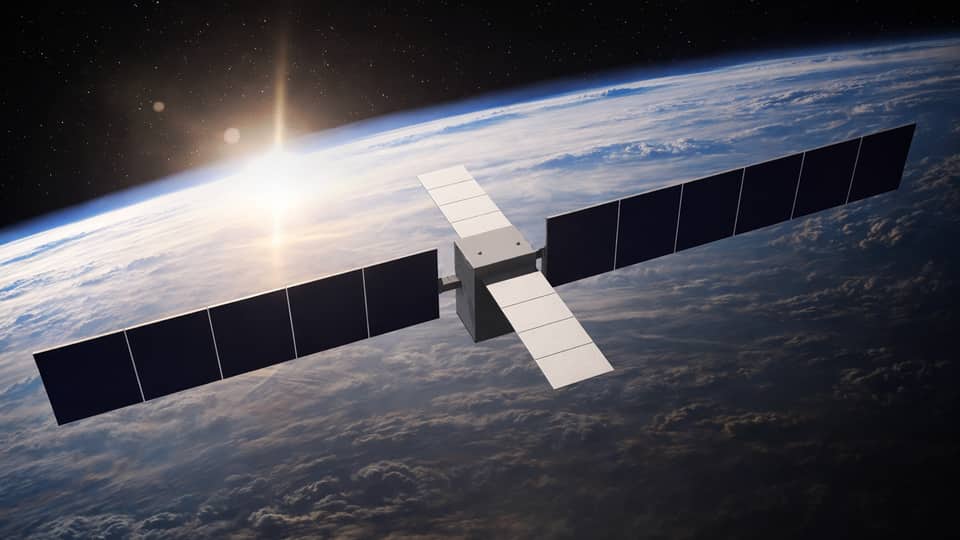
Orbital Plans Orca Autonomy Software for Data-Center Satellites
A reported letter of intent would put Orca Aerospace software on Orbital's planned satellites, with a first flight scheduled for Orbital-1 in 2028.
FlyMarshall Newsroom1 min read
Photo: Payload
Orbital and Orca Aerospace have a reported letter of intent covering onboard autonomy software for Orbital’s planned data-center satellites. The software is intended to support navigation and operations, including maneuvering, handling tasks and responding to faults, with human involvement when needed.
Key details
- The reported agreement includes an integration fee and per-satellite license fee, with a potential value of up to $20 million.
- Orca plans to integrate its software with the flight-software stack used by Orbital satellite-bus partner Reflex Aerospace.
- The software is scheduled to fly on Orbital-1 in 2028; a Pathfinder spacecraft test could take place in July 2027.
- Orbital’s reported fleet targets are 10 satellites in 2029, 100 in 2030 and 1,000 in 2031.
- The companies have described a possible longer-term model in which Orbital satellites provide computing resources for Orca’s platform, allowing other spacecraft to connect through the satellites rather than only through ground systems.
- Orca’s reported architecture combines AI-generated recommendations, rules-based command generation and a safety check against mission and vehicle constraints. The system would begin by reporting telemetry for human review before expanding autonomy in stages.
Orbital’s planned fleet targets 1,000 satellites by 2031.
More stories

Space
Canadian Astronaut Joshua Kutryk Captures Spacewalk Photo Above the South Atlantic

Space
Jessica Watkins Commands Crew-13 Space Mission

Space
China's Moon Landing Goal Sets Out a Four-Mission Roadmap

Space
ISS Astronauts Scheduled to Install Final Roll-Out Solar Array

BreakingCommercial
Emirates Group Posts AED 4.1bn Half-Year Profit After Gulf Conflict and Fuel Spike

BreakingCommercial