US Military Invests in Upgrading Pacific Airfields for Strategic Refueling
The US Department of Defense enhances infrastructure at key Pacific airfields for strategic operations.
1 min readvia Simple Flying - Pacific Refueling Hubs
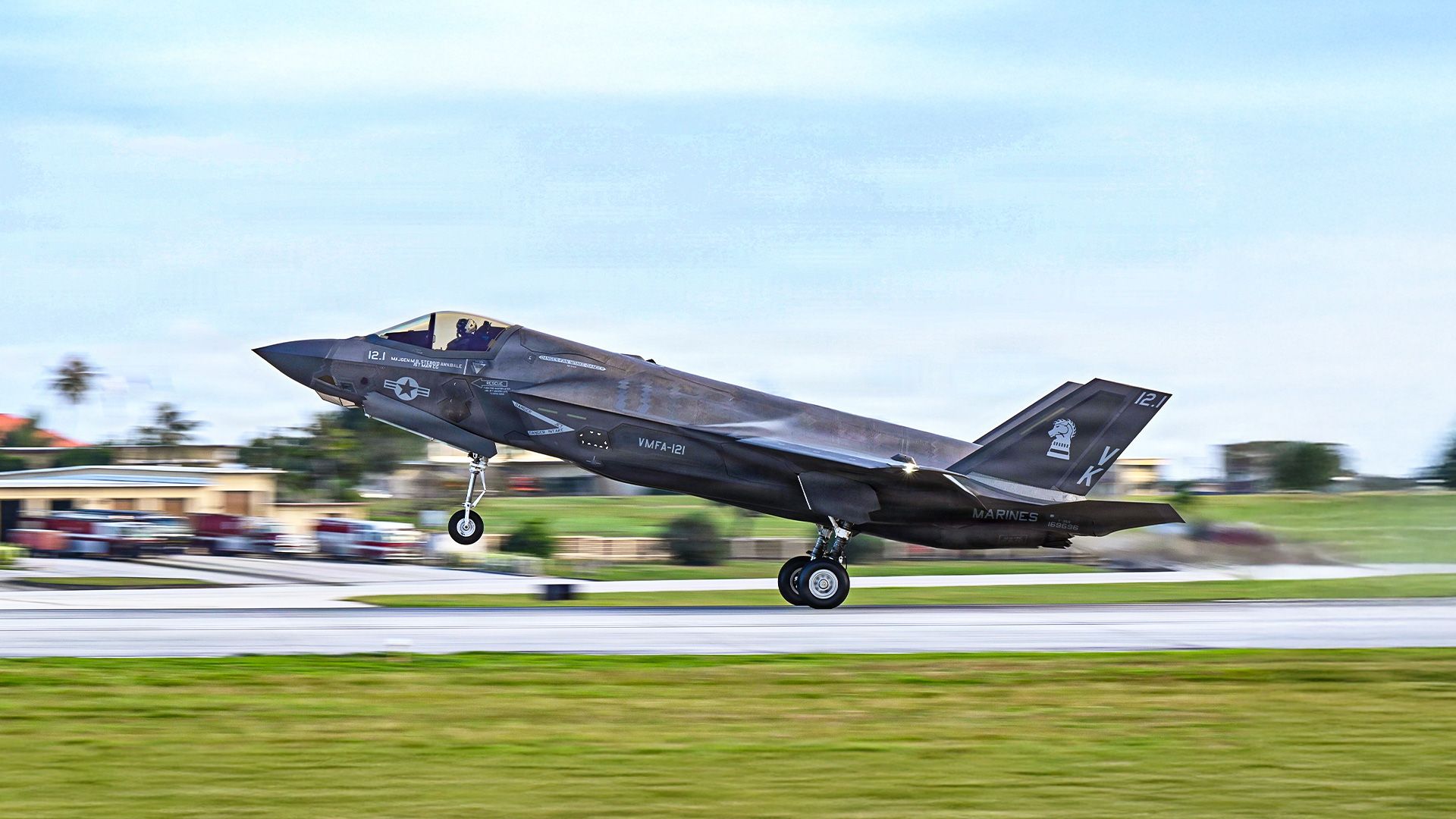
The United States is currently upgrading seven key airfields throughout the Western Pacific region. This initiative is part of a larger strategic effort to enhance refueling capabilities across the Pacific theater. The program involves substantial infrastructure investments at multiple airfields critical to supporting military logistics and operations.
Cesar Basa Air Base in the Philippines is receiving $66 million for improvements.
What has been confirmed
The US Department of Defense has confirmed a significant financial investment into airfield improvements in the Western Pacific. Cesar Basa Air Base in the Philippines will see $66 million for runway and infrastructure updates. Yap International Airport in Micronesia will gain a $400 million runway extension as part of a broader $2 billion defense infrastructure plan. Additional upgrades are underway at Peleliu Airfield in Palau, Kadena Air Base in Okinawa, and Tinian Airfield in the Northern Mariana Islands. These investments aim to bolster the US’s operational capabilities, with Andersen Air Force Base in Guam enhancing its missile resilience and expanding tarmac parking.Why it matters
For the US commercial-aviation audience, these upgrades underscore a strategic shift emphasizing the Pacific region's importance. The enhanced infrastructure not only supports military objectives but could also impact civilian aviation activities in the vicinity by sharing upgraded facilities, increasing refueling options, and enhancing overall aviation safety.FlyMarshall context
The development of these airfields aligns with global trends in aviation where dual-use facilities accommodate both military and civilian operations. As the Pacific region becomes increasingly significant for geopolitical reasons, these improvements may affect traffic patterns, the availability of routes for civilian airlines, and potential collaborations with industry stakeholders in logistics and infrastructure sectors.What happens next
Further work will continue on these projects, though specific timelines for each airfield's completion have not been disclosed. Monitoring and evaluating the potential dual-use benefits for civilian aviation will be integral as infrastructure improvements progress.Continue reading
This is an excerpt. The full story, written and reported by Simple Flying - Pacific Refueling Hubs, continues on their site.
Read Full Story at Simple Flying - Pacific Refueling Hubs