
U.S. Army Fast-Tracks Merops Interceptor Drone Program in 142 Days
The Merops interceptor drone becomes a U.S. Army program of record in record time, bolstering drone defense capabilities.
1 min readvia TWZ News Features
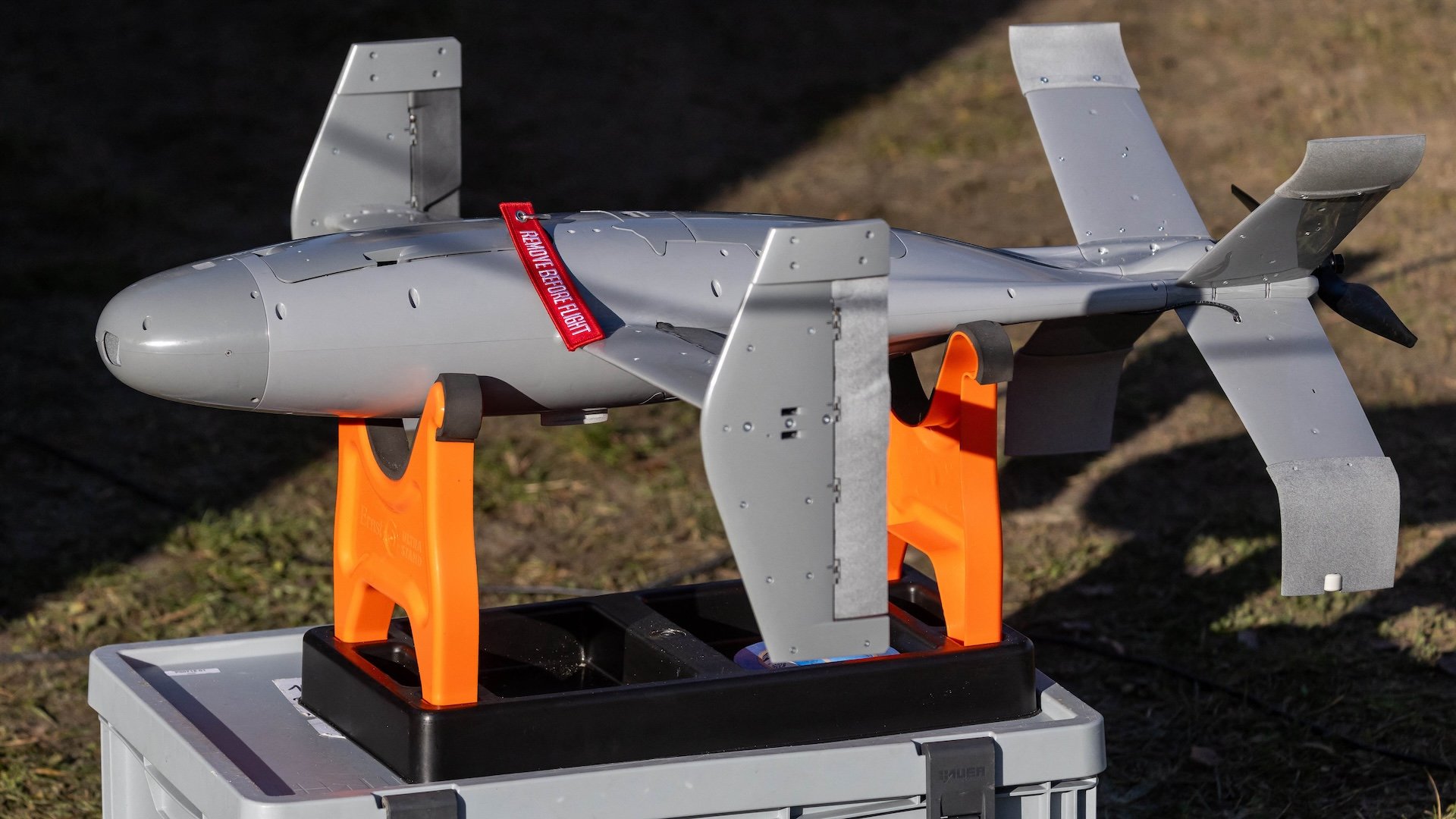
The U.S. Army has officially turned the Merops interceptor drone into a formal program of record in just 142 days, reflecting a rapid operational shift in response to evolving aerial threats. The Army has confirmed the acquisition of approximately 13,000 Merops interceptors, each costing around $15,000. While the precise deployment timeline remains undisclosed, the rapid formalization illustrates the program's strategic priority.
The Army has purchased approximately 13,000 Merops interceptors.
What has been confirmed
It is confirmed that the Merops system's rapid transition to a program of record occurred within 142 days. Additionally, around 13,000 interceptors have been acquired at a unit cost of $15,000. These developments underscore the U.S. Army's emphasis on agile response capabilities in the face of drone threats.Why it matters
For U.S. commercial aviation, increased drone defense capabilities can enhance airspace security, potentially reducing risks of unauthorized drone incursions that could disrupt commercial flights. Effective drone interception programs contribute to maintaining safe and secure skies, a critical aspect as drone technology becomes more prevalent. This development could be seen as a precursor to similar civilian airspace applications.FlyMarshall context
Historically, aviation innovations and military advancements in drone technology often pave the way for developments in commercial aviation applications. As threats evolve, robust interception capabilities could one day influence regulatory frameworks or technology integrations within commercial aviation sectors. Many airports are increasingly adopting counter-drone measures, echoing military advancements for protecting crowded airspace.What happens next
Further integration of the Merops system with NATO allies is likely, expanding its operational scope in international airspace security. While there is no confirmed timeline for wider deployment, the system's effectiveness in regions such as Ukraine suggests strategic scaling of its use. Continued evaluations of its performance against various threats will inform future enhancements.Continue reading
This is an excerpt. The full story, written and reported by TWZ News Features, continues on their site.
Read Full Story at TWZ News Features