Tyndall Air Force Base's Rebuild Moves Forward with New Infrastructure and F-35 Squadrons
The recovery of Tyndall Air Force Base includes over 120 new facilities to withstand extreme weather, supporting future operations for three F-35A squadrons.
1 min readvia Simple Flying
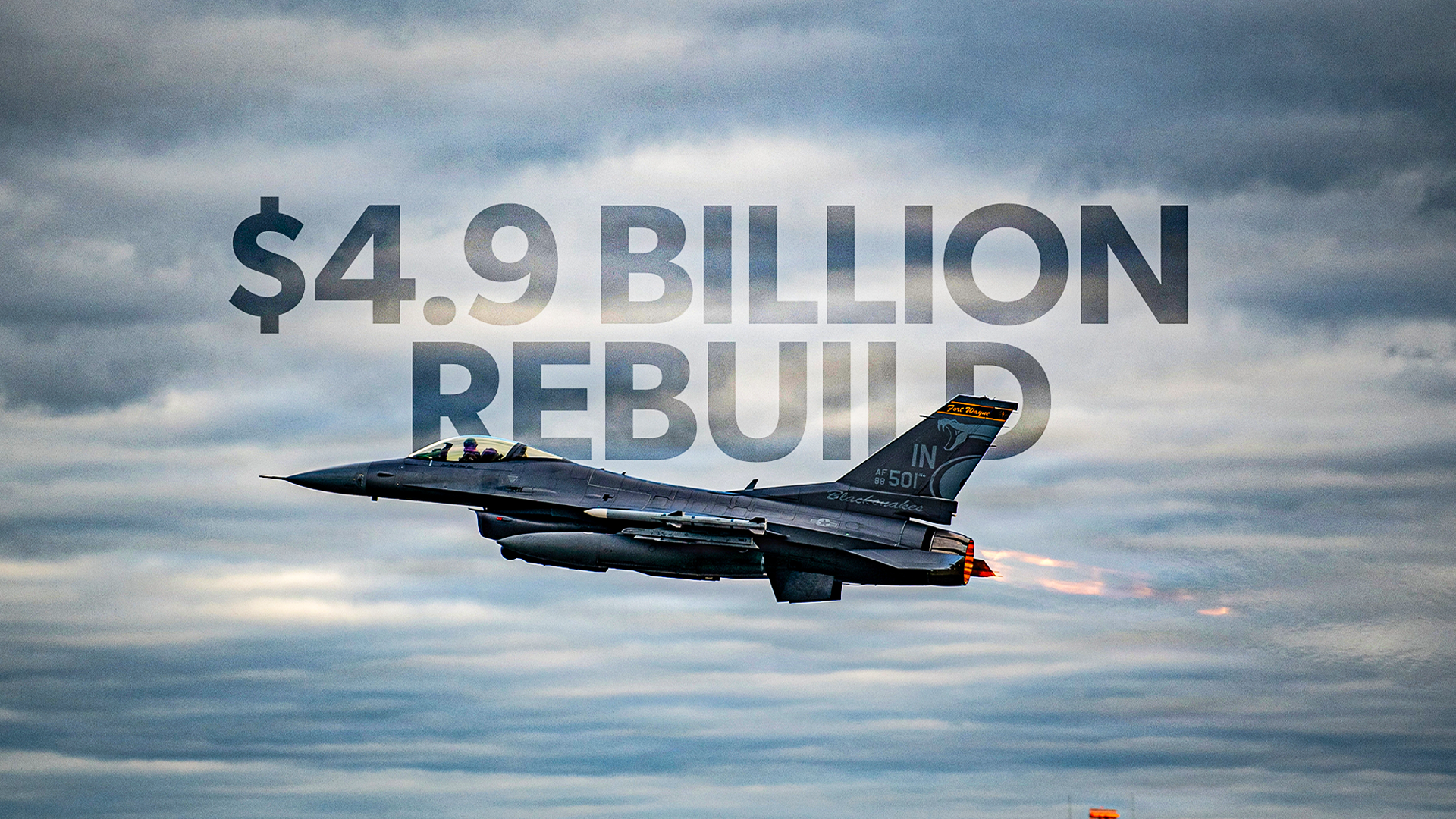
Hurricane Michael, a Category 5 storm, struck Tyndall Air Force Base, resulting in severe damage or destruction to 484 buildings. The base is undergoing a rebuild estimated to cost between $4.9 to $5 billion. This effort includes constructing more than 120 facilities within 12 construction zones. The base is being rebuilt to better withstand natural disasters, and its new design will endure winds of up to 165 mph.
Hurricane Michael damaged or destroyed 484 buildings at Tyndall Air Force Base.
What has been confirmed
The extensive damage from Hurricane Michael at Tyndall was confirmed, along with the base’s reconstruction plans. Vice President Mike Pence confirmed the decision to rebuild. The Natural Disaster Recovery Division manages the program, which aims to finish F-35 hangars by 2026. Design specifications ensure the base can handle 165 mph winds.Why it matters
Rebuilding Tyndall AFB is critical to maintaining US defense capabilities along the Gulf Coast. The installation will host three F-35A squadrons, enhancing national security and expanding military readiness. For aviation and military stakeholders, the successful reconstruction highlights effective disaster recovery and infrastructure resilience.FlyMarshall context
For commercial aviation, Tyndall's rebuild demonstrates the aviation industry's continual effort to enhance infrastructure resilience. Lessons learned from such rebuilds influence airport authorities globally, encouraging enhancements in wind-resistant designs and emergency preparedness. A base that hosts advanced jets like the F-35 becomes instrumental in testing related technologies in coordination with private aerospace firms.What happens next
The focus remains on completing key infrastructure, with hangars for the F-35 squadrons anticipated by 2026. Continuous monitoring and updates from the Natural Disaster Recovery Division will ensure progress remains on track. Further evaluations will address any unforeseen challenges, ensuring the upgraded facilities meet operational requirements.Continue reading
This is an excerpt. The full story, written and reported by Simple Flying, continues on their site.
Read Full Story at Simple Flying