Trump Signs Policy to Expand US Spaceports Amidst Rising Launch Demand
A new policy outlines development plans for national spaceports to address the surging demand for space launches and reentries.
2 min readvia Ars Technica
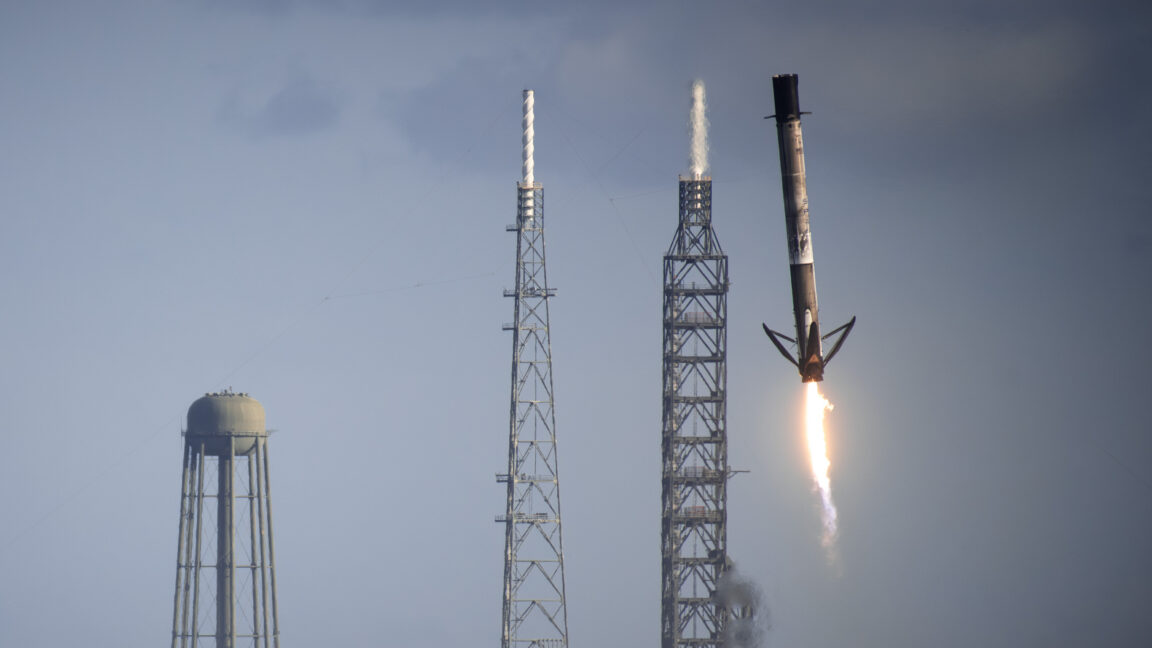
The Trump administration has enacted a new national space transportation policy that directs the development of additional spaceports across the United States. This move aims to accommodate the anticipated increase in launch and reentry activities, which are expected to exceed 1,000 annually by 2030.
SpaceX recorded 165 orbital launches of its Falcon 9 rocket in the past year.
What has been confirmed
President Donald Trump signed the policy which officially calls for more spaceports in the U.S. Current major federal spaceports include Cape Canaveral, Kennedy Space Center, and Vandenberg Space Force Base. The directive involves the Department of the Interior in identifying new federal lands for spaceports. Additionally, SpaceX's significant contribution was highlighted, with 165 orbital launches of Falcon 9 last year. The policy encourages quicker launch operations, aiming for critical payload deployments within 48 hours when necessary. It also supports NASA’s ongoing commercial efforts to the moon and Mars.Why it matters
This policy is significant for the commercial aviation industry because it signals a pivotal expansion of infrastructure to support surging demands in both commercial and military space operations. The expansion addresses the growing needs of companies like SpaceX, which continue to increase their launch frequency. For the U.S. aviation community, this development suggests a more integrated approach to handling space and airspace operations, potentially influencing air traffic control and commercial flight paths.FlyMarshall context
The aviation sector is seeing a crossover between traditional aircraft operations and emerging space launch activities. Commercial pilots and air traffic controllers will need to adapt to more frequent interactions with spaceport operations. As spaceports become more common, airlines might see changes in their flight corridors and schedules to accommodate the safe passage of space missions. Historically, aviation and space have operated separately, but this policy underscores a trend towards collaboration and shared infrastructure.What happens next
The focus will be on identifying suitable federal lands for new spaceports. Efforts to streamline launch operations, especially for high-priority missions, will continue. As policy effects unfold, stakeholders in the aviation and space sectors will collaboratively ensure that growing space activities harmonize with existing air travel operations.Continue reading
This is an excerpt. The full story, written and reported by Ars Technica, continues on their site.
Read Full Story at Ars Technica