Southwest Airlines Flight Reductions Impact Oakland Airport Operations
Southwest Airlines cuts services at Oakland, leading to a 13.5% decrease in flight schedules.
2 min readvia Simple Flying
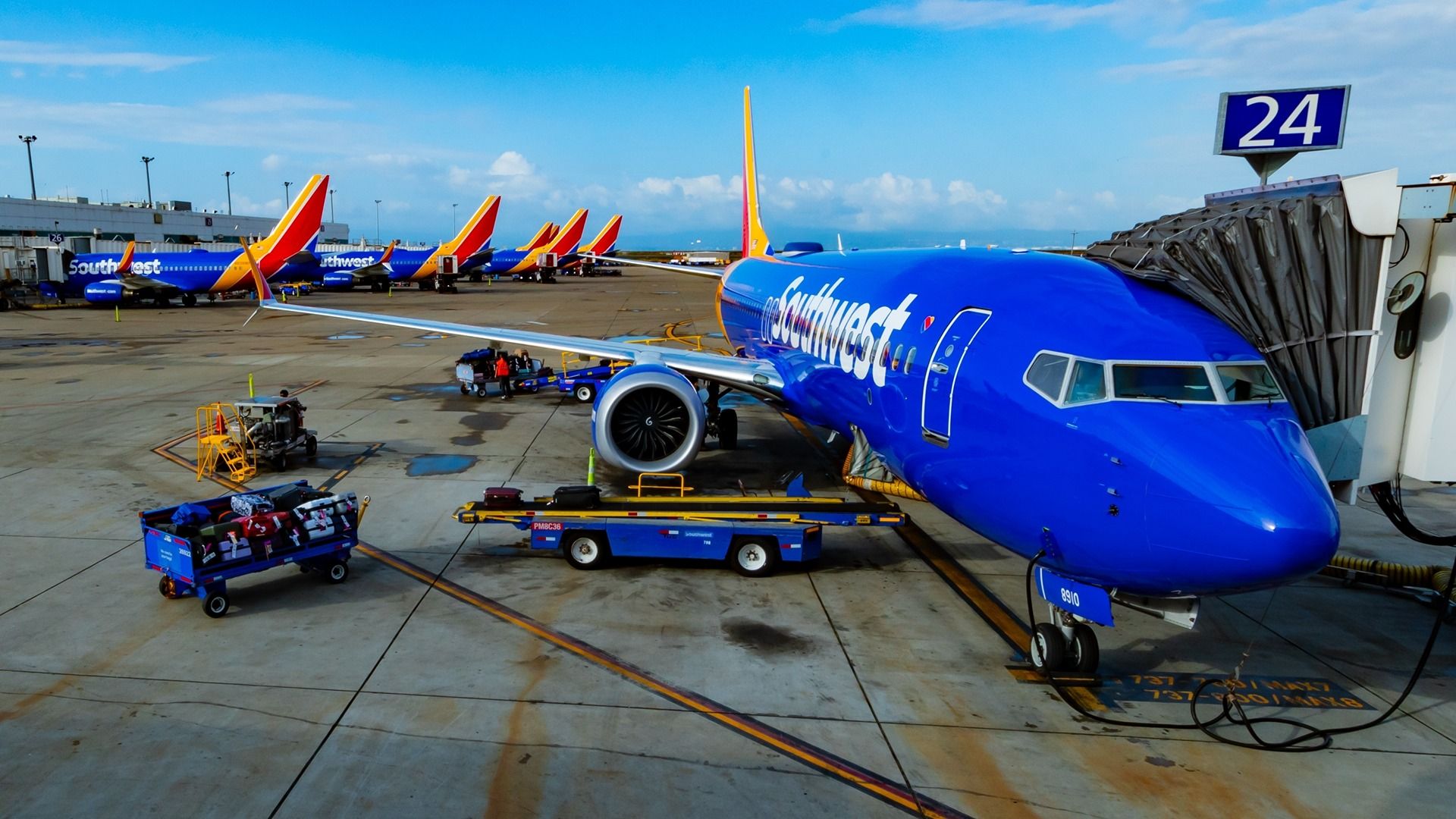
The Oakland City Council dismissed a lawsuit against Southwest Airlines last October, a case that accused the airline of depriving 3,000 employees of paid sick leave and other benefits. Shortly thereafter, Oakland experienced a significant reduction in its flight schedules and seat availability. Flight numbers dropped by 13.5%, resulting in one million fewer seats compared to the previous year—from 6.5 million to 5.6 million.
Oakland saw a 13.5% reduction in flight schedules and seat counts, with one million fewer seats available.
What has been confirmed
The lawsuit against Southwest was dismissed by the Oakland City Council in October of the prior year. Post-dismissal, Oakland saw a marked decline in flight schedules by 13.5% and experienced a decrease of one million available seats. Despite these changes, Southwest Airlines remains the dominant carrier at Oakland San Francisco Bay Airport, handling approximately 80% of the airport's operations. Southwest has also ramped up operations at San Francisco International Airport, introducing new routes to Burbank and Kansas City.Why it matters
Southwest Airlines is a crucial business partner for Oakland San Francisco Bay Airport due to its significant operational share and related revenue. The reduction in flight services is hence impactful. The decrease in flights, coupled with fewer available seats, could affect passenger convenience and airport revenue. Given Southwest's influence, these operational changes are noteworthy within the broader U.S. aviation industry context, where fluctuations in airline schedules can have ripple effects on airport performance and passenger access.FlyMarshall context
Southwest Airlines’ decision to reduce its flight operations at Oakland while expanding at San Francisco reflects competitive strategies airlines often employ to optimize route profitability and hub efficiency. For passengers, while the drop in available seats at Oakland could mean fewer travel options directly from that airport, the industry often sees such adjustments as airlines re-evaluate and redeploy resources. This demonstrates a responsive approach to market demands and operational efficiency often seen in the aviation industry.What happens next
Southwest Airlines has planned approximately 85 peak-day departures from Oakland during the winter months as an incremental increase, signaling potential adjustments in their operational strategy. However, it's unclear if this increase will counterbalance the previous decline or if passenger numbers will recover. Both the airport and the airline are likely to monitor these changes closely to identify adjustments needed for future operations.Continue reading
This is an excerpt. The full story, written and reported by Simple Flying, continues on their site.
Read Full Story at Simple Flying