
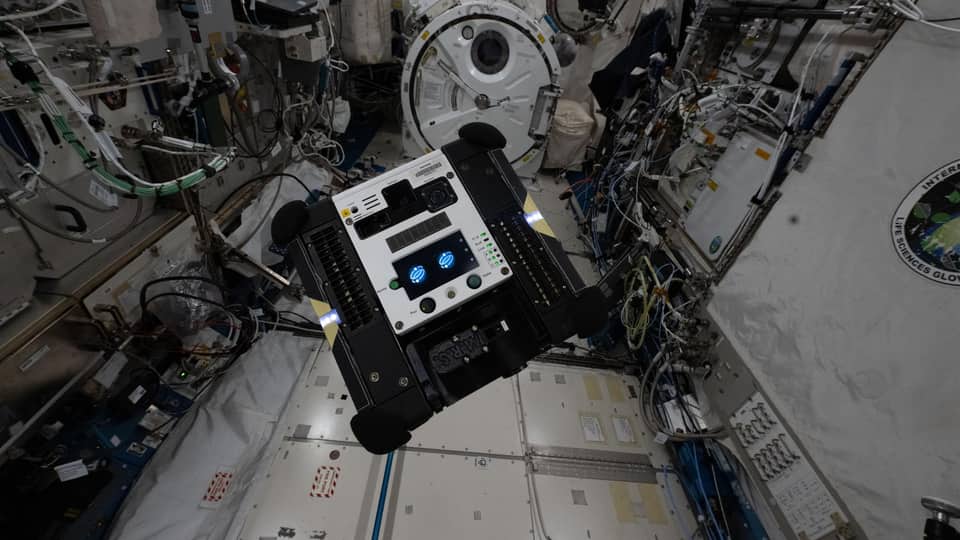
Astrobee Robots Support Research Aboard the International Space Station
NASA developed the free-flying robots to support station crew and research activities.
FlyMarshall Newsroom1 min read
Photo: NASA/Jessica Watkins
NASA developed Astrobee as a system of free-flying robotic assistants for use aboard the International Space Station. Reported applications include microgravity technology tests, station observation for teams on Earth and help with routine tasks.
Key details
- The first two robots, Bumble and Honey, arrived at the station in 2019.
- A third robot, Queen, arrived later that year.
- A photograph shows an Astrobee in the station's Kibo laboratory and credits NASA astronaut Jessica Watkins.
Bumble, Honey and Queen joined the International Space Station in 2019.
Why it matters
Astrobee gives research teams a way to test technologies in microgravity and observe station interiors, while the robots can also assist with routine tasks. Those capabilities connect work aboard the station with researchers on Earth.
More stories
Space
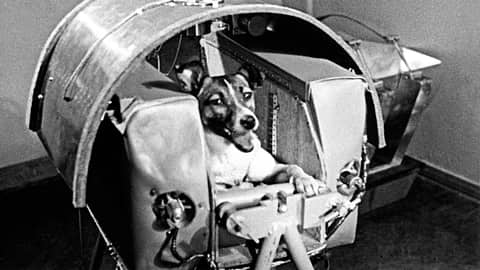
Sputnik 2 Launched With Laika Aboard on November 3, 1957

Space
Sceye and SoftBank Sign Five-Year HAPS Services Agreement
Space
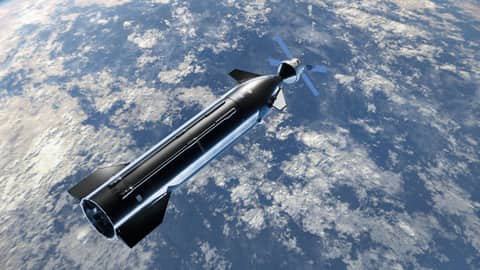
NASA Artemis IV Plan Pairs Orion Crew With Starship Lunar Lander
Space
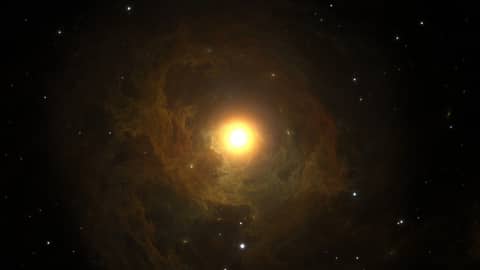
Betelgeuse's Brightness Cycles Include a 2,100-Day Pattern
Commercial
American Airlines Resumes Daily Service to Cap-Haïtien

Commercial