J-CATCH Exercise Rewrites US Air Force Doctrine on Helicopter Engagement
In 1978, the J-CATCH exercise revealed attack helicopters could dominate fighter jets in low-altitude combat, transforming Air Force tactics.
2 min readvia Simple Flying
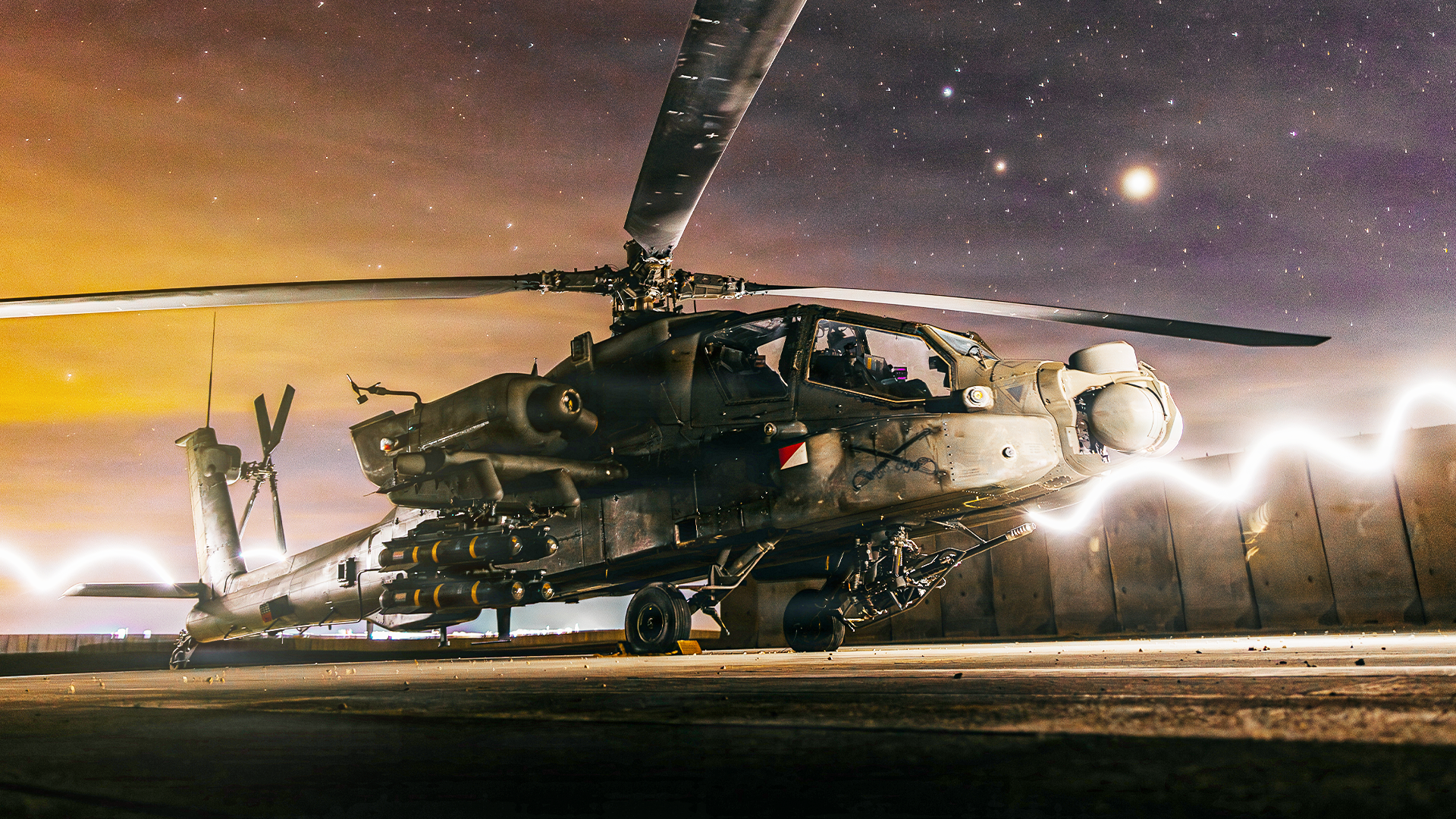
In 1978, the US Air Force conducted the J-CATCH exercise to test how effectively attack helicopters could engage with fighter jets. Much to the Air Force's surprise, the exercise showed attack helicopters could hold their own. Helicopters achieved a five-to-one kill ratio against fighter jets in close-range encounters, challenging previous expectations that jets would easily outmaneuver them.
Attack helicopters achieved a five-to-one kill ratio against fighter jets in close-range gun battles during J-CATCH.
What has been confirmed
Several facts emerged clearly from J-CATCH. Attack helicopters, notably influenced by the capabilities of the Mi-24 Hind, performed exceptionally well where fighter jets struggled. The exercise demonstrated that low-altitude combat was not the natural domain for fighter pilots. Subsequently, this led to a new doctrine advising pilots to avoid such engagements with helicopters. The development of the AH-64 Apache, which can leverage terrain for stealth, was influenced by the findings of J-CATCH.Why it matters
The results of J-CATCH reshaped US Air Force tactics, highlighting the strengths of attack helicopters and influencing the development of aircraft like the AH-64 Apache. These findings continue to inform modern tactics, particularly in the realm of low-altitude engagements against drones. For aviation professionals, this underscores the dynamic nature of aviation strategy and the importance of adapting to new forms of combat.FlyMarshall context
The J-CATCH exercise underscores the evolving strategies within military aviation, which can parallel changes in commercial aviation operations where adapting to unexpected challenges is crucial. Just as the Air Force learned the importance of adapting tactics, commercial airlines constantly integrate findings from exercises and new technologies to enhance safety and efficiency for passengers.What happens next
J-CATCH's influence persists in US Air Force doctrine, especially concerning low-altitude threats like drones. The A-10 Thunderbolt II, known for its handling in such environments, has extended its service partially due to these lessons. No specific future exercises like J-CATCH have been announced, but the Air Force will likely continue evolving its tactics to address emerging threats and technologies.Continue reading
This is an excerpt. The full story, written and reported by Simple Flying, continues on their site.
Read Full Story at Simple Flying