FAA Mandates Safety Inspections for Boeing 737 MAX Fleet
The FAA requires inspections for over 470 Boeing 737 MAX aircraft to prevent potential structural issues and maintain safety.
2 min readvia Simple Flying
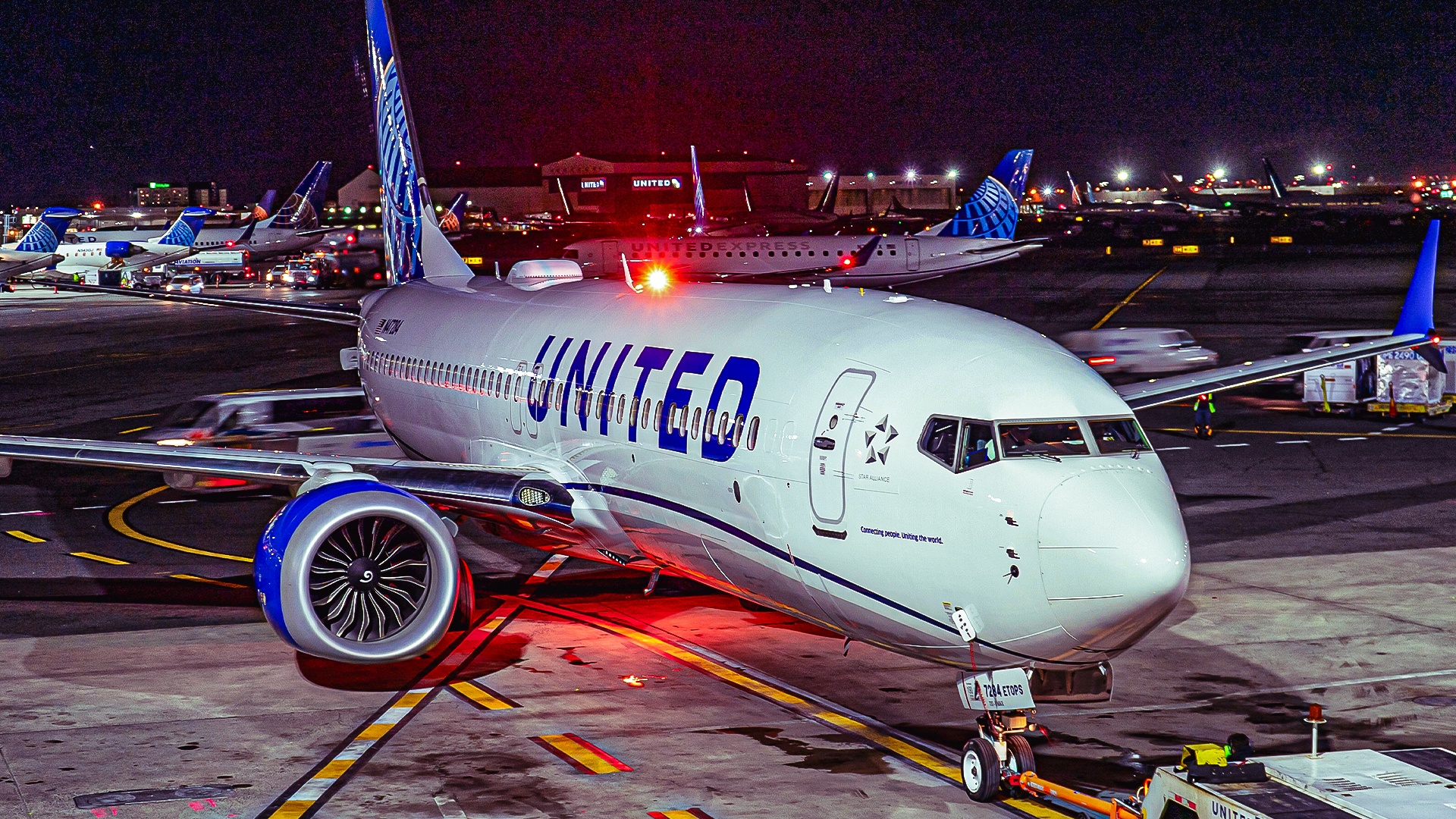
The Federal Aviation Administration (FAA) has issued an airworthiness directive requiring inspections for certain Boeing 737 MAX models. These inspections focus on detecting potential structural cracks in the fuselage's bear strap locations. The directive impacts approximately 471 Boeing 737 MAX aircraft, including MAX 8, MAX 9, and high-density MAX 8-200 models.
The airworthiness directive affects approximately 471 Boeing 737 MAX models in the US.
What has been confirmed
The FAA's directive calls for repetitive inspections on the specified Boeing 737 MAX models due to a potential structural issue. This issue involves stress concentrations that could lead to cracking, a problem identified in similar locations on older 737 NG models. The inspections are precautionary, as no current cases of fuselage cracking have been reported in the 737 MAX fleet. The cost of these inspections is estimated at $85 for visual evaluations and up to $340 for detailed assessments. Boeing, having been aware of this potential issue for six years, has been collaborating with operators without any incidents of detected cracking thus far.Why it matters
This inspection requirement highlights the FAA's proactive measures to uphold aircraft safety and operational integrity, crucial for maintaining passenger confidence. For airlines operating the 737 MAX, this directive underscores the ongoing vigilance necessary in addressing potential structural concerns similar to those seen in preceding models.FlyMarshall context
The Boeing 737 MAX is a vital component of many airlines' fleets due to its fuel efficiency and capacity. As a trusted workhorse across US carriers, staying ahead of potential safety issues is essential for seamless operations and passenger safety. While the inspection costs are modest, the required checks are an integral part of ensuring long-term reliability and trust in these widely used aircraft.What happens next
Starting inspections by September 10 is mandatory, with follow-up checks before reaching 30,000 flight cycles to prevent cracks. Boeing and affected airlines will continue collaborating to address any findings promptly. The industry will watch closely to understand how these precautionary measures might influence future directives and aircraft design considerations.Continue reading
This is an excerpt. The full story, written and reported by Simple Flying, continues on their site.
Read Full Story at Simple Flying