
F-35C Lands on USS John F. Kennedy for the First Time During Compatibility Testing
An F-35C successfully conducted its maiden arrested landing on the Ford-class carrier PCU John F. Kennedy, marking a milestone in the ship's Aircraft Compatibility Testing.
2 min readvia The Aviationist
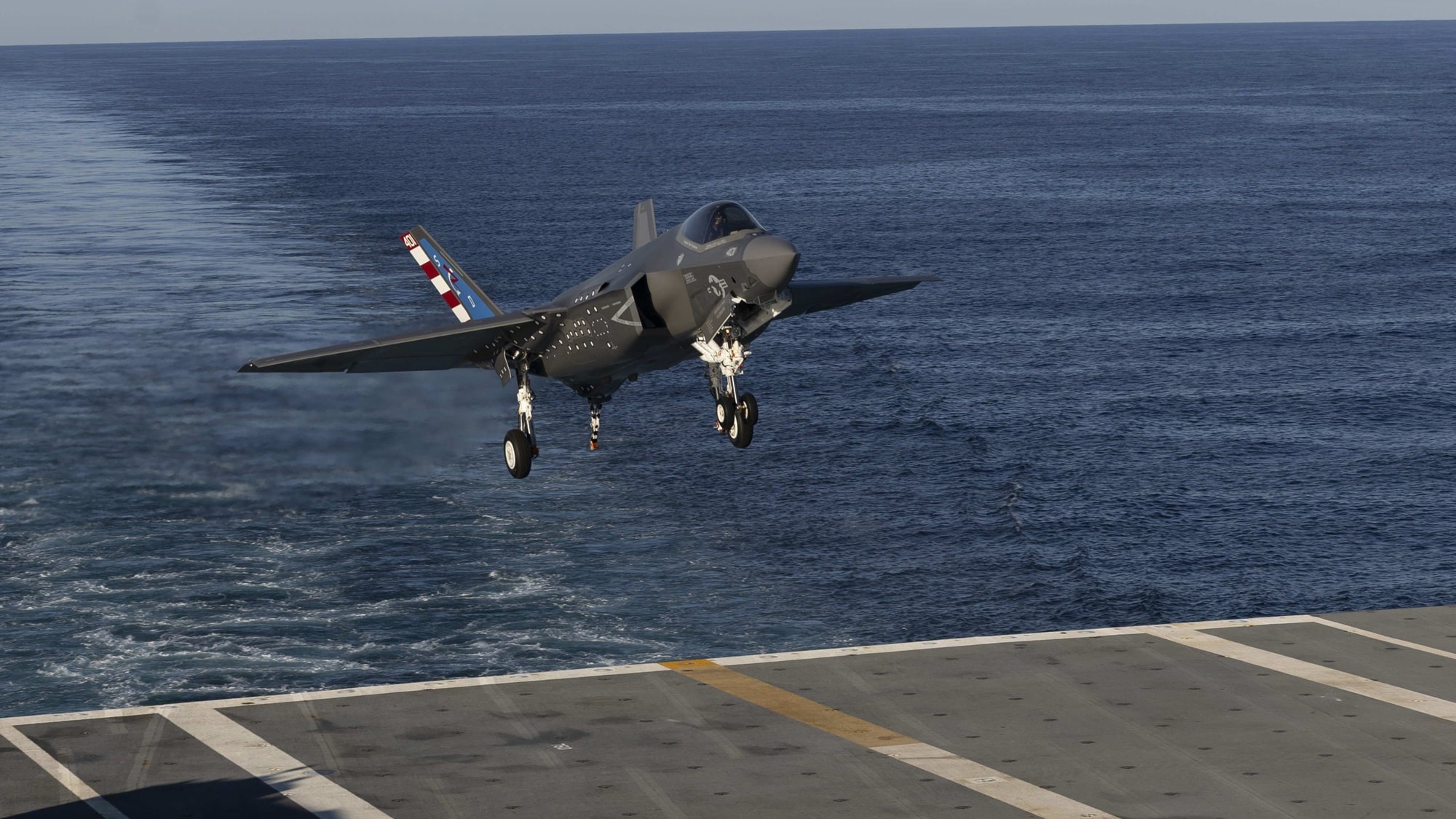
An F-35C Lightning II performed its first arrested landing on October 13, 2026, aboard the PCU John F. Kennedy, a Ford-class aircraft carrier. This significant operation is part of the carrier's ongoing Aircraft Compatibility Testing (ACT) program, which evaluates the vessel's launch and recovery capabilities.
The PCU John F. Kennedy is scheduled for delivery to the U.S. Navy in March 2027.
What has been confirmed
The successful landing on the PCU John F. Kennedy utilized the ship's Electromagnetic Aircraft Launch System (EMALS) and Advanced Arresting Gear (AAG), both of which are vital for modern naval operations. The F-35 aircraft used in this testing came from the Patuxent River F-35 Integrated Test Force, specifically from Air Test and Evaluation Squadron VX-23, also known as the "Salty Dogs." The John F. Kennedy is set for delivery to the U.S. Navy in March 2027, with initial plans to be based at Naval Base Kitsap-Bremerton, Washington, becoming the first Ford-class aircraft carrier stationed on the U.S. West Coast.Why it matters
This development marks a critical stage in the testing and operational readiness of the PCU John F. Kennedy. For the U.S. Navy, ensuring that the newest class of carriers can successfully integrate F-35 operations is crucial for maintaining naval air superiority. The testing also confirms the functionality of advanced systems like EMALS and AAG, which replace traditional steam-powered catapults and arresting gear.FlyMarshall context
Ford-class carriers, such as the PCU John F. Kennedy, represent the future of U.S. naval carrier operations with enhanced capabilities for launching and recovering modern aircraft. The integration of the F-35C into the carrier air wing underscores strategies to keep pace with evolving defense needs. For aviation and defense industry observers, these tests provide insights into advancements in aerospace technology and naval architecture.What happens next
The PCU John F. Kennedy will continue through its testing phases up until its scheduled delivery in March 2027. Focus will remain on comprehensive evaluations of its systems and operational performance. Further naval exercises and certifications will precede its commissioning and eventual homeport relocation to Washington.Continue reading
This is an excerpt. The full story, written and reported by The Aviationist, continues on their site.
Read Full Story at The Aviationist