F-22 Raptor and F-35 Lightning II: Unveiling Distinct Aerospace Designs
The F-22 Raptor and F-35 Lightning II showcase unique capabilities tailored to air superiority and multi-role missions, respectively.
1 min readvia Simple Flying
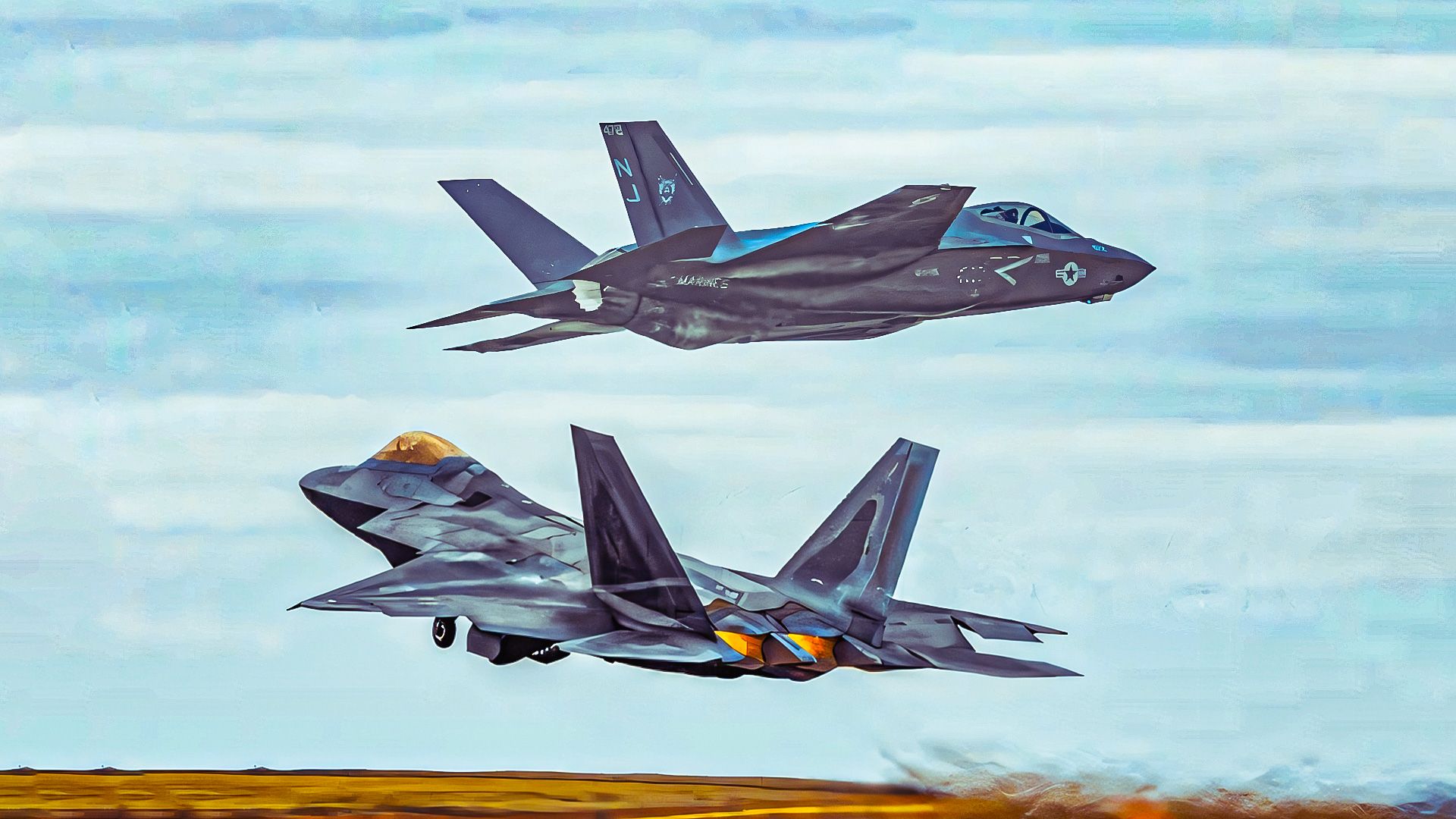
The F-22 Raptor and the F-35 Lightning II are two advanced fighter aircraft serving different purposes. The F-22 is primarily an air superiority fighter, designed for speed, agility, and stealth to ensure control of the skies during combat situations. Meanwhile, the F-35 serves as a multi-role fighter, capable of performing diverse roles like ground strikes and intelligence gathering. Within the F-35 series, the F-35B variant is confirmed to have short takeoff and vertical landing capabilities, allowing it to operate from short runways and amphibious ships.
The F-35B variant has verified short takeoff and vertical landing (STOVL) capabilities for diverse operational platforms.
What has been confirmed
It is confirmed that the F-35B variant has short takeoff and vertical landing (STOVL) capabilities. This feature enables the aircraft to operate flexibly from various platforms, enhancing its strategic deployment options.Why it matters
Understanding the distinct roles of the F-22 and F-35 illuminates how these aircraft fulfill different strategic needs for the military. The F-22's focus on air dominance complements the F-35's versatile mission profile. This differentiation is critical for military planning and resource allocation, offering insights into how these machines contribute to national defense.FlyMarshall context
In the aviation world beyond military applications, the technological advancements in fighter cockpit design have influenced commercial aviation. The glass cockpits and HUD technologies seen in these fighters often trickle down to commercial and civilian aircraft, enhancing pilot situational awareness and flight efficiency. These innovations drive the industry forward towards safer and more integrated aircraft systems.What happens next
Future developments may further refine the roles and capabilities of these aircraft. Advances in technology could lead to upgrades, ensuring they remain at the forefront of military aviation. Monitoring these changes will provide insights into the strategic priorities of the US military. As of now, no specific upgrades or changes have been officially announced.Continue reading
This is an excerpt. The full story, written and reported by Simple Flying, continues on their site.
Read Full Story at Simple Flying