Boeing's Chevrons Reduce Aircraft Noise Without Engine Redesign
Boeing utilized chevrons in certain aircraft models to cut noise by three decibels, a move not mirrored by Airbus.
1 min readvia Simple Flying
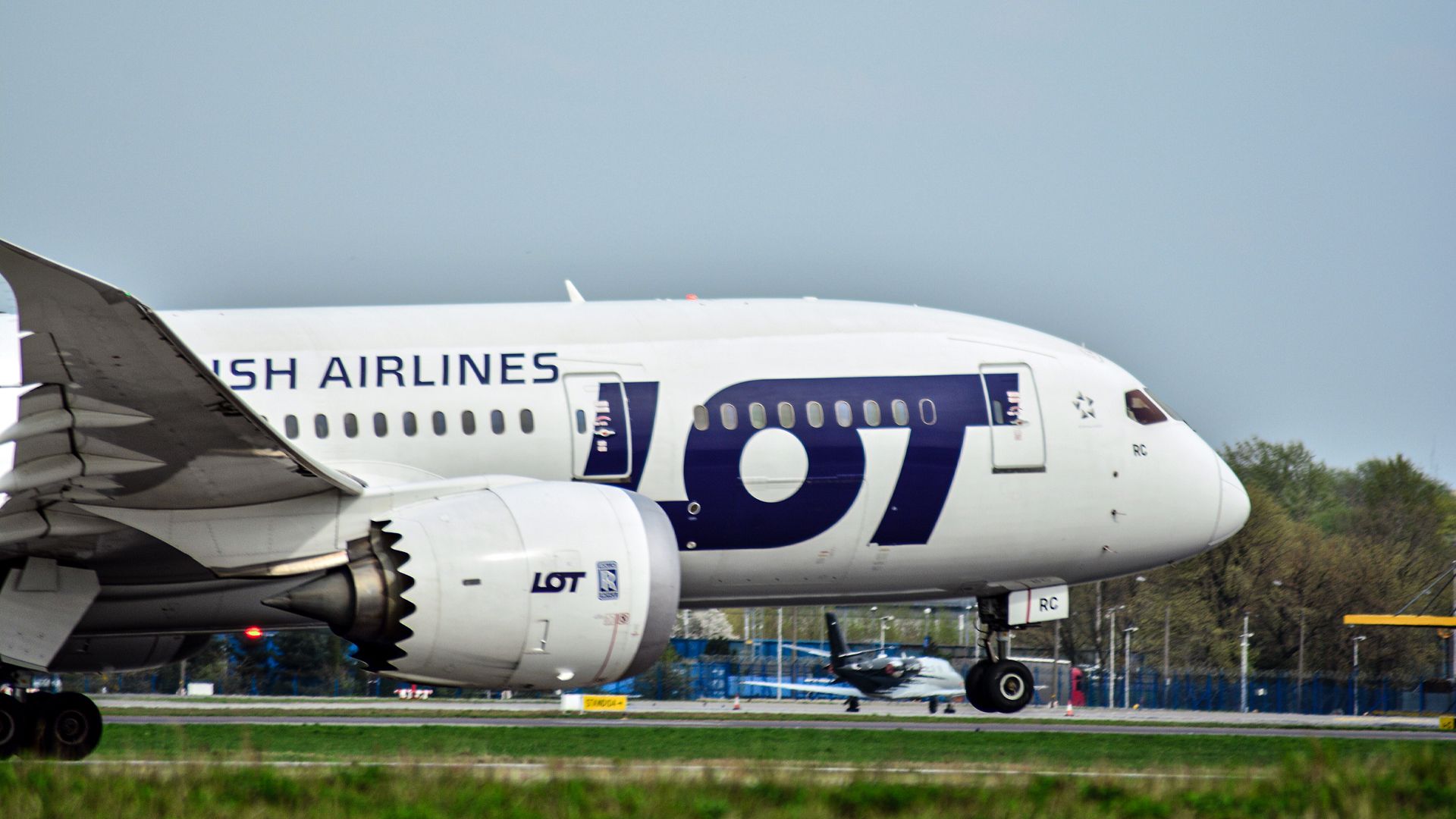
Boeing integrated chevrons into the engine nacelles of its 787 Dreamliner, 747-8, and 737 MAX models to lower engine noise. This technology, supported by NASA's research, allows noise reduction of about three decibels. Boeing implemented this method to meet noise standards without needing to redesign entire engines. Meanwhile, Airbus chose not to adopt chevrons, focusing on internal engine architecture improvements instead.
The technology reduces noise by approximately three decibels, according to NASA's accounts.
What has been confirmed
Boeing confirmed the use of chevron technology in its aircraft models such as the 787 Dreamliner, 747-8, and 737 MAX, achieving noise reduction mainly due to NASA's research stating a reduction of approximately three decibels. Airbus confirmed they opted for internal engine improvements rather than using chevrons. Additionally, Boeing's 777X GE9X engines do not use chevrons but instead have alternative noise and efficiency advancements.Why it matters
Aircraft noise is a critical concern for airlines, regulators, and communities near airports. Boeing's approach with chevrons showcases a significant noise reduction without extensive engine redesigns, which is crucial for maintaining operational efficiency and environmental compliance. This also highlights the varying strategies between major aircraft manufacturers in addressing noise pollution.FlyMarshall context
Boeing's introduction of chevron technology is part of broader industry efforts to enhance aircraft performance while mitigating environmental impact, particularly noise pollution. This development underscores the competitive dynamics between Boeing and Airbus in advancing engine technology. It also reflects how aerospace innovation stems from collaborations with agencies like NASA to tackle industry challenges.What happens next
As Boeing continues to refine its noise reduction technologies, aviation stakeholders will observe any further advancements in engine design. Airbus's decision to focus on internal architecture improvements suggests ongoing competition in engine innovation. Future developments from both manufacturers may include further integration of new technologies designed to reduce environmental impact while maintaining or improving aircraft performance.Continue reading
This is an excerpt. The full story, written and reported by Simple Flying, continues on their site.
Read Full Story at Simple Flying