Boeing Repairs Stringer Cracks on New Air Force One Fleet Amid Cost Challenges
Boeing tackles stringer crack repairs in future Air Force One 747-8 aircraft as costs surpass $3 billion and delivery is delayed to 2028.
2 min readvia Simple Flying
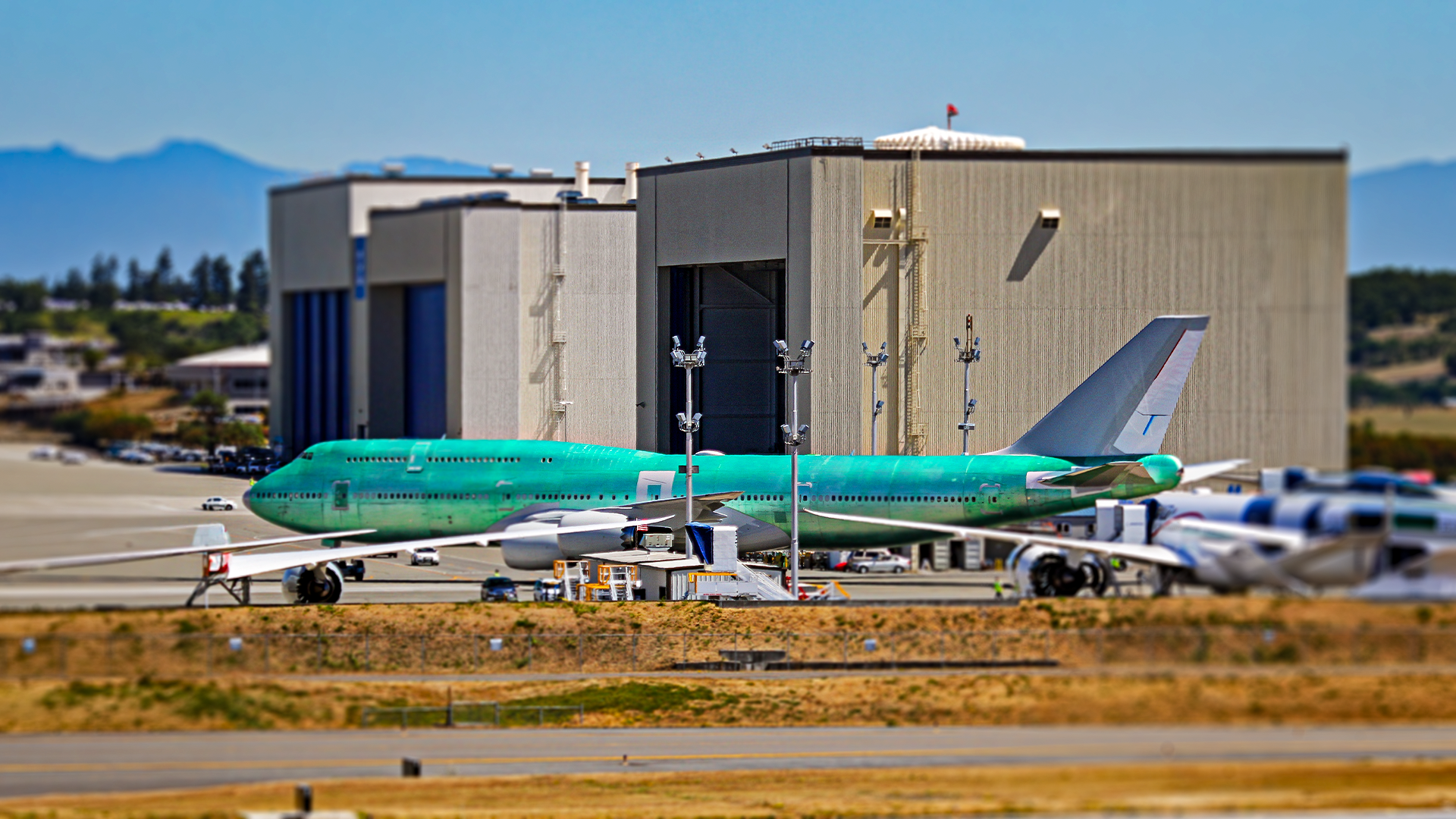
Boeing is currently addressing microscopic cracks in the structural reinforcing members, known as stringers, of two 747-8 aircraft that are slated to serve as the future Air Force One. These cracks, located in longitudinal structures, necessitate repairs to ensure compliance with Federal Aviation Administration (FAA) procedures.
Boeing faces over $3 billion in cost overruns on the Air Force One program.
What has been confirmed
Stringer cracks were confirmed and their repairs are being conducted under FAA guidelines. Official confirmation places Boeing’s cost overruns on this project at over $3 billion. The US Air Force has officially adjusted the expected delivery of the first upgraded Air Force One aircraft to mid-2028, a delay from the initially planned December 2024 date. Additionally, the program's financial burden is linked to Boeing's fixed-price contract agreement from 2018, leading to various design and supplier challenges, which include issues with windows and windshield specifications.Why it matters
This development is significant to the US commercial aviation sector due to the strategic importance of the Air Force One fleet, not just as presidential aircraft but also as representations of US aerospace capability. Boeing’s substantial financial overruns highlight challenges within large military contracts and fixed-price agreements, which carry ramifications for future government contracts and defense procurement strategies. Moreover, this delay disrupts the scheduled modernization of critical national infrastructure.FlyMarshall context
The Boeing 747-8 aircraft serve as a backbone for both commercial and special mission fleets worldwide, renowned for their range and passenger capacity. Although passenger 747 operations have decreased over time, the model remains pivotal in cargo operations and specialized modifications like the Air Force One variants. The extended timeline and cost overrun challenges with such a high-profile project underscore the complexity and risks associated with retrofitting aircraft for governmental standards.What happens next
Boeing and the US Air Force will continue to navigate through the necessary repairs and modifications, aiming for the 2028 delivery timeline. Boeing's ongoing focus will be on addressing remaining design and supply chain challenges to avoid further delays. Close monitoring of this project will be essential, given its high national profile and the existing contractual implications for Boeing.Continue reading
This is an excerpt. The full story, written and reported by Simple Flying, continues on their site.
Read Full Story at Simple Flying