
Blue Origin Expands Florida Launch Facilities, Targeting 150 Launches Annually
Blue Origin invests $3 billion to support up to 150 rocket launches per year from Florida, enhancing its New Glenn pipeline.
2 min readvia Ars Technica
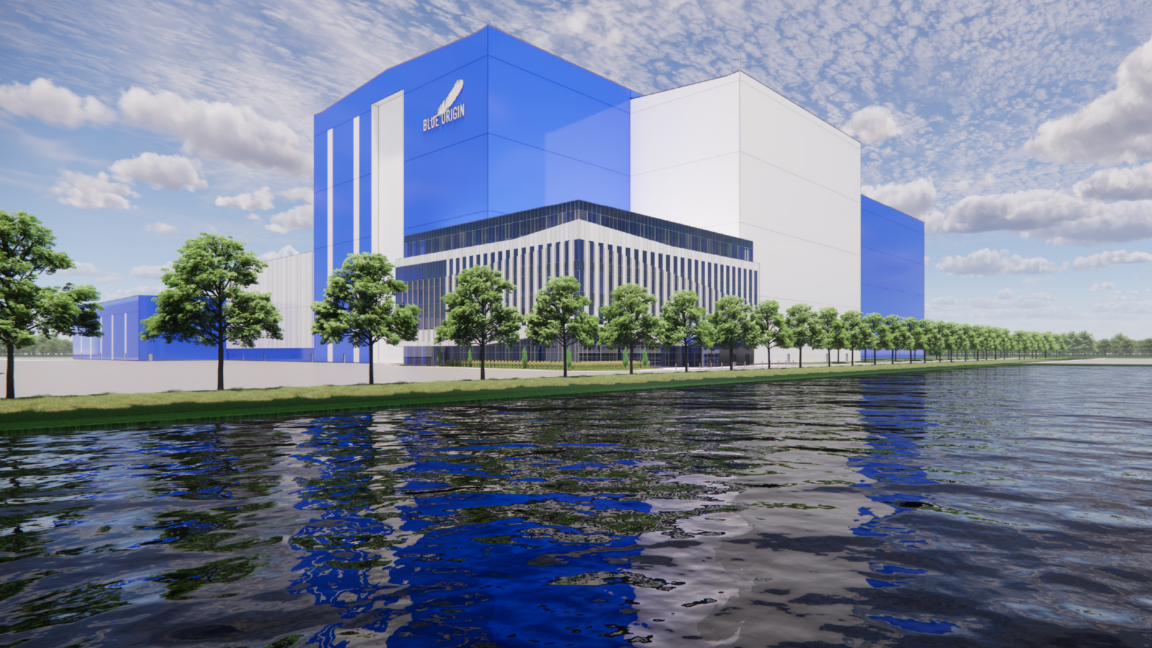
Blue Origin is significantly expanding its presence in Florida, investing around $3 billion to upgrade its facilities. As part of this initiative, two additional launch pads will be added for the New Glenn rocket at Cape Canaveral, complementing two already under construction. The company is also working on a new manufacturing plant aimed at producing 150 upper stages annually for a larger version of the New Glenn rocket.
Blue Origin plans to invest about $3 billion in its Florida facilities and infrastructure.
What has been confirmed
While not officially confirmed, it is likely that Blue Origin is planning to reach a launch capacity of 150 rockets per year by the end of the decade. This expansion includes the development of two new launch pads and a manufacturing facility designed for producing upper rocket stages. Additionally, Blue Origin is working on rebuilding Launch Complex 36A and acquiring landing ships to recover the New Glenn rocket's first stage.Why it matters
This expansion highlights Blue Origin's commitment to scaling up its space operations, potentially making it a more formidable player in the commercial launch market. For the US aviation industry, which increasingly intersects with space operations, this means increased employment opportunities and economic growth, particularly in Florida where Blue Origin employs over 5,000 people. It also underlines the importance of robust infrastructure to support frequent and reliable space missions.FlyMarshall context
The expansion of Blue Origin's launch facilities at Cape Canaveral reflects broader trends in the aviation and aerospace industries where commercial space flights are becoming more commonplace. As space and aviation technologies continue to advance, there will be more synergies between traditional air travel and space exploration. Companies like Blue Origin are at the forefront of this movement, encouraging established airlines to consider potential implications for supersonic passenger travel that straddle the boundary of atmospheric flight.What happens next
Blue Origin is set to complete the construction of its new infrastructure, including the launch pads and integration facilities. The company is targeting a return to flight for the New Glenn rocket from Launch Complex 36A in early 2027. Conclusive updates on their progress and refinement of supportive technology will likely come as the timeline advances.Continue reading
This is an excerpt. The full story, written and reported by Ars Technica, continues on their site.
Read Full Story at Ars Technica