American Airlines Flight Experiences Tire Burst at Chicago O'Hare
American Airlines Flight 3199 suffered a tire burst post-landing at Chicago O'Hare, resulting in passenger deplaning and aircraft grounding.
1 min readvia Simple Flying
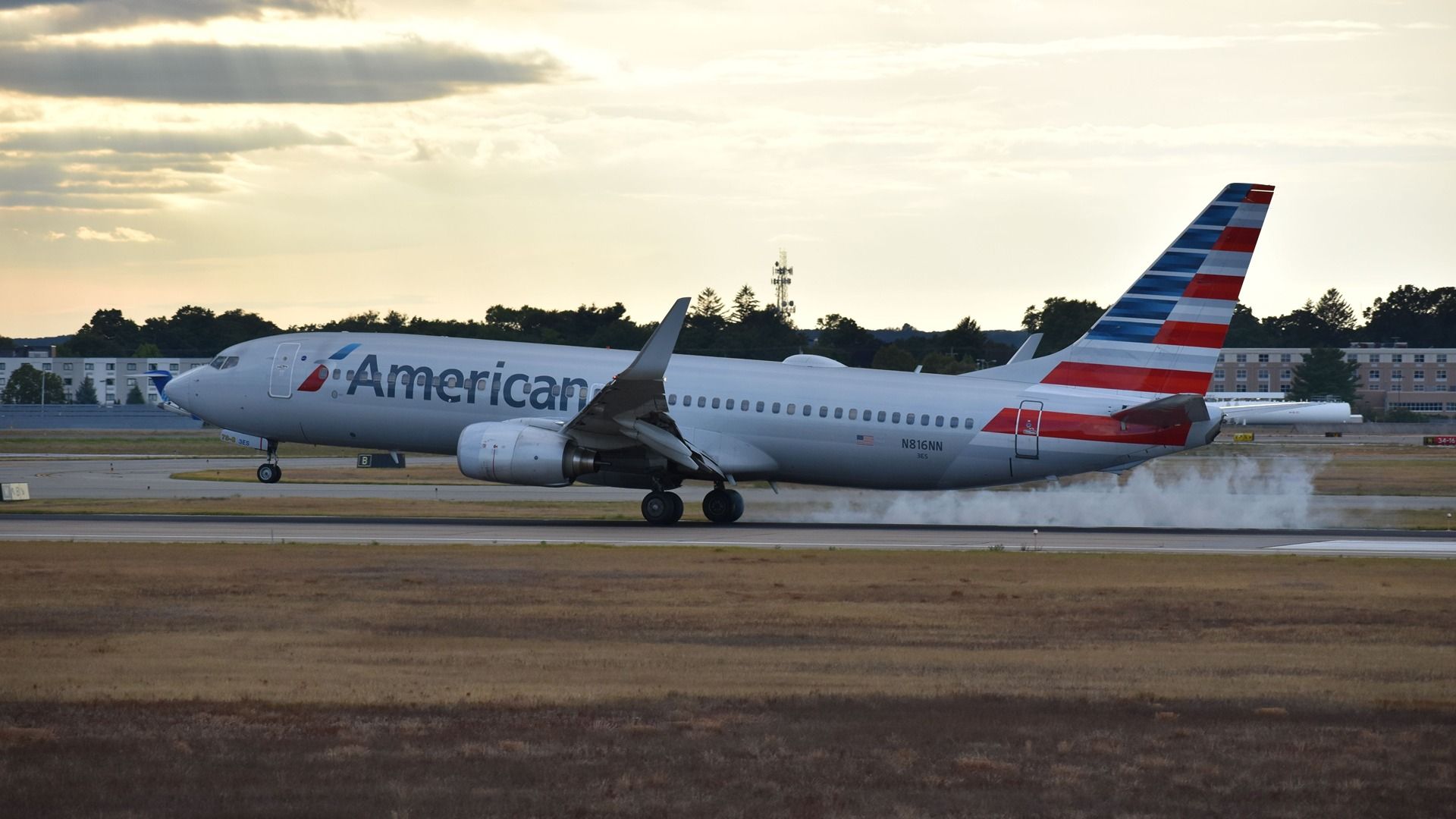
On August 21, 2026, American Airlines flight 3199, operated by a Boeing 737-800 with registration N876NN, experienced a tire burst while taxiing after landing at Chicago O'Hare International Airport. The flight had originated from Phoenix Sky Harbor International Airport. Following the incident, passengers were safely deplaned and the aircraft was taken out of service for repairs.
This incident marks the third tire burst at Chicago O'Hare in one week, affecting different aircraft.
What has been confirmed
The tire burst involved American Airlines flight 3199 and a Boeing 737-800 aircraft which first entered service in October 2011. The aircraft can carry up to 172 passengers. This was the third similar incident at Chicago O'Hare within that week, each involving different aircraft. The aircraft remains grounded and is scheduled to return to service as flight AA2799 from Chicago to Boston.Why it matters
For those in the US aviation sector, multiple tire bursts at a major hub like Chicago O'Hare raise questions about runway conditions and aircraft operations. Although tire bursts can result from factors like extreme heat or heavy braking, frequent occurrences highlight the importance of thorough inspections and maintenance to ensure flight safety and reliability.FlyMarshall context
In the context of global aviation operations, tire bursts are relatively rare yet significant as they might lead to aircraft being taken out of service, affecting scheduling and passenger travel plans. As air traffic intensifies post-pandemic, maintaining runway and aircraft safety standards at busy airports like Chicago O'Hare is crucial for operational efficiency and passenger safety.What happens next
The grounded Boeing 737-800 will undergo necessary repairs before returning to service. Constant monitoring of similar incidents will help determine if any patterns need addressing to improve safety protocols at the airport.Continue reading
This is an excerpt. The full story, written and reported by Simple Flying, continues on their site.
Read Full Story at Simple Flying