Airbus A350-1000 vs. Boeing 787-10: A Comparative Look at Size and Capacity
The Airbus A350-1000 surpasses the Boeing 787-10 in length, passenger capacity, and range, solidifying its role as a larger alternative for airlines.
2 min readvia Simple Flying
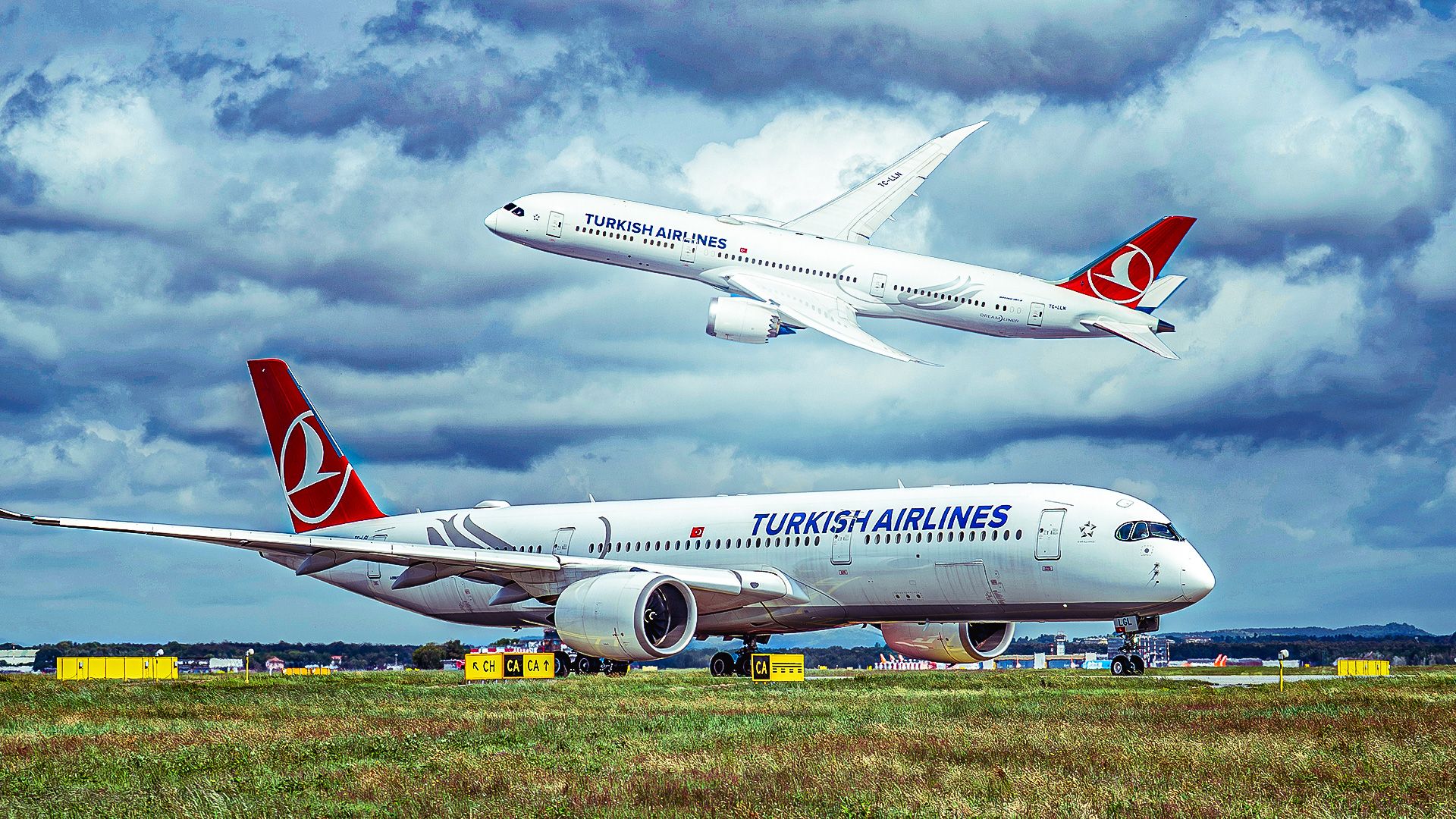
The Airbus A350-1000 and Boeing 787-10 are two of the aviation industry's leading aircraft, designed to accommodate international passenger travel. Airbus' A350-1000 outmatches Boeing's 787-10 in several dimensions. The Airbus model is approximately 5.5 meters longer, has a greater wingspan by 4.7 meters, and features a slightly wider cabin. It also boasts larger passenger and maximum takeoff capacities, allowing it to serve long-haul routes more effectively.
The Airbus A350-1000 is longer than the Boeing 787-10 by 5.5 meters (18 feet).
What has been confirmed
Airbus A350-1000 is longer than the Boeing 787-10 by 5.5 meters and has a wingspan 4.7 meters wider. The A350-1000 typically seats between 350 and 410 passengers in a three-class layout, while the 787-10 holds around 330 in a two-class setup. In terms of passenger capacity in high-density configurations, the A350-1000 can fit up to 480 passengers, as opposed to the 787-10's 440. The A350-1000's range benefits from greater fuel and cargo capacity, supported by its maximum takeoff weight of 319 tonnes, considerably more than the 787-10's 254 tonnes.Why it matters
Understanding the capabilities of modern aircraft like the A350-1000 and 787-10 equips airlines to make informed decisions on fleet composition for international routes. These specifications influence operational efficiency, fuel costs, and passenger experience, especially on transcontinental flights. The differences in size and capacity can significantly impact market competition and airline strategies within the US aviation sector.FlyMarshall context
Airlines operating in the US must consider aircraft range and passenger capacity when planning their international and transcontinental schedules. Larger aircraft like the A350-1000 can offer more flexibility in high-demand routes, providing a competitive edge with its enhanced features. As fuel efficiency and capacity continue to play pivotal roles in fleet selection, aircraft like the A350-1000 cater to evolving market demands for sustainability and economic operational performance.What happens next
Airlines will continue evaluating their fleet requirements based on these specifications, with potential updates or additions to accommodate changing passenger demand and route structures. As the industry prioritizes reducing carbon footprints, both Airbus and Boeing will focus on developing models that enhance efficiency while offering maximum capacity and range.Continue reading
This is an excerpt. The full story, written and reported by Simple Flying, continues on their site.
Read Full Story at Simple Flying